

Sīla : ค้นหาหนังสือธรรมะ หน้า 5 / 10
หน้าหนังสือทั้งหมด
84
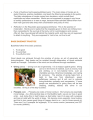
The Core Principles of Buddhist Living
Purity of livelihood (achivaparissuddhismavara): The main duties of monks are to study Dhamma, practice meditation, and teach the Dharma knowledge to the public. The daily subsistence of monks comes f
This text outlines the essential duties and practices of Buddhist monks focusing on livelihood, moderation, and core principles of Buddhism. Monks dedicate themselves to studying Dhamma, meditating, a
97
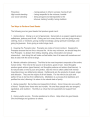
Ten Ways to Perform Good Deeds
Powerless - being jealous in others' success; having ill will
High social standing - being respectful to the virtuous; humble
Low social standing - being arrogant and disrespectful to the virtuous; la
This text outlines ten good deeds that enhance merit, including acts of giving, adherence to moral precepts, and mental cultivation through meditation. It emphasizes the importance of generosity in co
93
การพิจารณาและพระธรรม
Here is the extracted text from the image:
"๑. การพิจารณา
• One paragraph with words is Notable
• Behold, The True Nature Of The Body
Life Ends In Death
๒. พระธรรมและคำนำ ฯ
• The story of Sila
• The
บทความนี้นำเสนอการพิจารณาพระธรรมที่สำคัญ รวมถึงเรื่องเล่าต่าง ๆ เช่น พระธรรมของศีลและอุทฐาน รวมถึงการเล่าเรื่องราวเกี่ยวกับพระราชาและพระราชินี การเดินทางของพระพุทธเจ้า และธรรมชาติของร่างกายที่นำไปสู่ว
2
การสร้างเสริมศีลธรรมในเด็กปฐมวัย
การสร้างเสริมศีลธรรมในเด็กปฐมวัย
A Proposed Sila-Dhamma Cultivation Model for Early Childhood
อรรพรรณ สุชาٹกลวิท
Oraphan SUCHATKULWIT
นักวิชาการอิสระ (Independent Scholar)
ตอบรับบทความ (Received):
บทความนี้เสนอรูปแบบการปลูกฝังศีลธรรมในเด็กปฐมวัย โดยเน้นการนำเสนอวิธีการและกระบวนการตลอดจนความสำคัญของการสร้างเสริมคุณธรรมในช่วงวัยนี้ เพื่อเตรียมความพร้อมให้กับเด็กในการพัฒนาจริยธรรมและเข้าใจธรรมชาติ
4
การสร้างเสริมศีลธรรมในเด็กปฐมวัย
การสร้างเสริมศีลธรรมในเด็กปฐมวัย
A Proposed Sila-Dhamma Cultivation Model for Early Childhood
103
ให้เกิดขึ้นในบุคคลตามหลักพระพุทธศาสนา ทั้งนี้เพื่อเสนอแนวทาง
การส่งเสริมศีลธรรมในเด็กปฐมวัย ผลการศึกษ
การส่งเสริมศีลธรรมในเด็กปฐมวัยมีความสำคัญในด้านการพัฒนาโดยยึดถือหลักปรัชญาศีลธรรมของพระพุทธศาสนา ผลการวิจัยชี้ให้เห็นว่าเกณฑ์การตัดสินด้านศีลธรรมเริ่มจากการควบคุมทางจิตและการกระทำ โดยมีการพัฒนาทางกาย
5
A Proposed Sila-Dhamma Cultivation Model for Early Childhood
104
ธรรมธารา
วาสนาวิวิธวาทากรพระพุทธศาสนา ปีที่ 4 ฉบับที่ 2 (ฉบับรวมเล่มที่ 7) พ.ศ. 2561
A Proposed Sila-Dhamma Cultivation Model for Early Childhood
Oraphan SUCHARTKULLAWIT
Abstract
Thai moral so
บทความนี้เสนอโมเดลการพัฒนาศีลธรรมสำหรับเด็กปฐมวัยในสังคมไทย เน้นความสำคัญของการปลูกฝังคุณธรรมในวัยเด็ก เพื่อสร้างนิสัยที่ดีและความสัมพันธ์ในสังคมที่มีคุณภาพ การศึกษาให้ดีเป็นสิ่งจำเป็นโดยเฉพาะสำหรับเด
6
การสร้างเสริมศีลธรรมในเด็กปฐมวัย
การสร้างเสริมศีลธรรมในเด็กปฐมวัย
A Proposed Sila-Dhamma Cultivation Model for Early Childhood
105
counseling in early childhood. The results summarize as follows.
1. Moral Criteria should start from
บทความนี้เสนอแบบจำลองการสร้างเสริมศีลธรรมในเด็กปฐมวัย โดยมีการสร้างความเข้าใจเกี่ยวกับศีลธรรมจากอุดมคติ เช่น ศีลธรรมจากการควบคุมตนเองและการใช้จิตวิญญาณ นอกจากนี้ยังเน้นการพัฒนาทั้งสี่ด้านคือ ร่างกาย บ
8
การสร้างเสริมศีลธรรมในเด็กปฐมวัย
การสร้างเสริมศีลธรรมในเด็กปฐมวัย
A Proposed Sila-Dhamma Cultivation Model for Early Childhood
9. เด็กยากจนเข้าสู่กระบวนการค้าหาสุใหม่ คือ การขายแรงงานและการขายตัว
10. อัตราการเกิดของเด็กในประเทศไทยลด
ปัญหาศีลธรรมในเด็กปฐมวัยทวีความรุนแรง เช่น การค้าหา สุใหม่และการลดอัตราการเกิดเด็กในไทย แนวทางการแก้ไขรวมถึงการหาสาเหตุและการเสนอแนวทางป้องกันที่มุ่งเน้นการปลูกฝังนิสัยที่ดีในเด็กตั้งแต่อายุ 0-6 ปี เพ
12
การสร้างเสริมศีลธรรมในเด็กปฐมวัย
การสร้างเสริมศีลธรรมในเด็กปฐมวัย
A Proposed Sila-Dhamma Cultivation Model for Early Childhood
111
สรุปคือ จารีตประเพณีเป็นเงื่อนไขตัดสินทางศีลธรรม และ
ไม่ควรนำเงื่อนไขของสังคมหนึ่งไปใช้ตัดสินการกระทำ
การสร้างเสริมศีลธรรมในเด็กปฐมวัยมีความสำคัญเนื่องจากจารีตประเพณีเป็นเงื่อนไขตัดสินทางศีลธรรมที่มีการเปลี่ยนแปลงตามสังคม คุณธรรมเกิดจากจิตสำนึกของมนุษย์และต้องการการพัฒนาเพื่อให้เป็นจริง การบริหารจัดกา
14
การสร้างเสริมศีลธรรมในเด็กปฐมวัย
การสร้างเสริมศีลธรรมในเด็กปฐมวัย
A Proposed Sila-Dhamma Cultivation Model for Early Childhood
ความดีทางวาจา ได้แก การไม่ทำผิดศีลข้อ 4 มีรายละเอียดอยู่
4 ประการ คือ
1. การพูดเท็จ
2. การพูดส่อเสียดทำให
บทความนี้เสนอโมเดลการสร้างเสริมศีลธรรมในเด็กปฐมวัย โดยให้ความสำคัญกับความดีทางวาจาและใจ รวมถึงการพัฒนาการที่จำเป็นในการปลูกฝังศีลธรรมให้ยั่งยืน พร้อมระบุองค์ความรู้สำหรับการเสริมสร้างศีลธรรมตามหลักพระ
16
การสร้างเสริมสิทธิสมรรถภาพในเด็กปฐมวัย
การสร้างเสริมสิทธิสมรรถภาพในเด็กปฐมวัย
A Proposed Sila-Dhamma Cultivation Model for Early Childhood
115
ก. เงื่อนไขการทำดีให้ได้รับผลของความดีโดยพิจารณาจากตัวเอง
1) ต้องทำให้ถูก คือ ทำได้ถูกต้องตามวั
บทความนี้เสนอโมเดลการพัฒนาศีลธรรมสำหรับเด็กปฐมวัย โดยมุ่งเน้นที่การพัฒนา 4 ด้าน ได้แก่ ทางกายภาพ ทางจริยธรรม ทางสังคม และบุคลิกภาพ ซึ่งมีข้อกำหนดเกี่ยวกับการทำดีให้ได้รับผลของความดีตามเงื่อนไขต่างๆ รว
20
การสร้างเสริมด้านอุปนิสัยในเด็กปฐมวัย
การสร้างเสริมด้านอุปนิสัยในเด็กปฐมวัย
A Proposed Sila-Dhamma Cultivation Model for Early Childhood
3) ผู้ใหญ่ช่วยเด็กในการแบ่งบทบาทหน้าที่และงานให้มีขนาดพอเหมาะกับเด็กในการทำและเข้าใจ
4) ผู้ใหญ่ช่วยส
บทความนี้เสนอแนวทางในการเสริมสร้างอุปนิสัยในเด็กปฐมวัย โดยเน้นความสำคัญของการแบ่งบทบาทงานที่เหมาะสม ผู้ใหญ่ควรให้การสนับสนุนและคำแนะนำเมื่อเด็กต้องเผชิญกับสถานการณ์ใหม่ การพัฒนาบุคลิกภาพในวัยนี้มีความ
22
การสร้างเสริมจิตสำนึกในเด็กปฐมวัย
การสร้างเสริมจิตสำนึกในเด็กปฐมวัย
A Proposed Sila-Dhamma Cultivation Model for Early Childhood
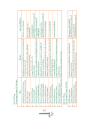
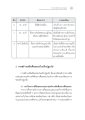
ชั้น ช่วงวัย พัฒนาการ รายละเอียด
6 18-2
บทความนี้เสนอโมเดลการปลูกฝังศีลธรรมในการศึกษาของเด็กปฐมวัย โดยเน้นที่พัฒนาการทางอารมณ์และสังคมต่างๆ ตั้งแต่อายุ 18 ปีถึง 40 ปีขึ้นไป สิ่งสำคัญคือต้องสร้างเสริมศีลธรรมโดยมีหลักการทางศีลธรรมและเกณฑ์ในกา
68
ธรรมหารวาวสารวิชาการทางพระพุทธศาสนา ฉบับที่ 1 ปี 2559
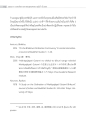
…mī Bhiksunī.” Journal of Indian and Buddhist Studies 26 : 655-656. Tokyo: University of Tokyo.
120 Sīla【中】平常, 自然, 習慣, 戒, 道德規範: 普遍, ธรรมชาติ, คุ้นเคย, ศีล, หลักคุณธรรม
เนื้อหานี้เน้นเกี่ยวกับการพัฒนาความเข้าใจในศีลและธรรมของพระพุทธศาสนา โดยเฉพาะศีลธรรมที่มีความสำคัญต่อชีวิตประจำวันของมนุษย์และนักบวช นอกจากนี้ยังมีบรรทัดฐานสำหรับนักปฏิบัติธรรม นำเสนอทั้งความหมายและตั
105
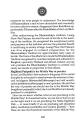
Rediscovery of the Dhammakāya Tradition
… we are practising the Noble Eightfold Path — or more briefly if we are practising self-discipline [sīla], meditation [samādhi] and wisdom [paññā] — then these are also the theoretical essentials of the M…
The Dhammakāya tradition, once diminished in Buddhism, was revitalized by Luang Phaw Wat Paknam who dedicated his life to its teachings. His outreach efforts led to the tradition being acknowledged in
107
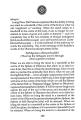
परम ध्यान और आत्मा का केंद्र
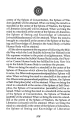
…tandstill at the centre of the Dhamma n upassanāsatipaṭṭhāṇa Sphere, the Sphere of Self-Discipline [sīla] will be attained. When we bring the mind to a standstill at the centre of the Sphere of Self-Disci…
लुआंग फॉ वट पाकनम ने समझाया कि शरीर के केंद्र पर ध्यान लाने की क्षमता को 'मध्यम' कहा जाता है। यह वह बिंदु है जहाँ मन सद्भाव में आता है, और इसे अच्छे या बुरे के संदर्भ में नहीं रखा जा सकता है। इसके द्व
108
The Path to Spiritual Enlightenment
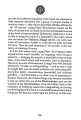
…standstill at the centre of this Dhammānupassanāsatipatṭhāna Sphere, the Sphere of Self-Discipline [sīla] will be attained. When we bring the mind to a standstill at the centre of the Sphere of Self-Disci…
This text outlines the spiritual progression as defined by the teachings of the Buddha, emphasizing the importance of concentration, wisdom, and the journey towards liberation. It explains how by brin
118
Understanding the Mind and Success in Buddhist Practice
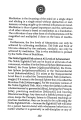
…hing' — and in such a case he taught that you can attain extinction by cultivating self-discipline [sīla], concentration [samādhi] and wisdom [paññā] — and that there is no other way of attaining extincti…
This text discusses the four functions of the mind and their impact on achieving success in Buddhist practice, as emphasized by Luang Phaw Wat Paknam. He speaks on the importance of reaching a state o
134
The Importance of Meditation in Buddhism
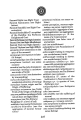
…Path, this is when the faithful cultivate wholesomeness by generosity [dāna], keeping the Precepts [sīla], practicing meditation [bhāvanā] and hearing Dhamma teachings. Any time such a faithful person is …
Meditation is central to Buddhist practice, allowing individuals to focus the mind on a single object, leading to the cultivation of virtues and deeper levels of awareness. The attainment of the five
247
Glossary of Buddhist Terms
…ing in slaves: see unwholesome trade)
sa-upādīseṇa nibbāna q.v. (nirvana with remaining aggregates)
sīla (see self-discipline)
sīlabbata͂paṃāda (attachment to rites and rituals: see Ten Fetters)
sitibhūto…
This glossary serves as a valuable resource for those exploring Buddhism, providing definitions and explanations of important terms. It covers concepts such as Right View, Right Action, and mindfulnes