

not-self : ค้นหาหนังสือธรรมะ หน้า 35 / 122
หน้าหนังสือทั้งหมด
166
ธรรมภายในและคัมภีร์พระพุทธศาสนา
เรื่องเดียวกัน หน้า 264
เรื่องเดียวกัน หน้า 284
เรียบเรียงจากงานวิจัยของ ดร.ชลลลธ์ สุวรรณรางกูล (2556) "ธรรมภายในมีร่วมรินราน สูตร คัมภีร์ต้นฉบับพระพุทธศาสนาคำตัน".
อามา (Agama: 阿含經) กล่าวให้คำว่า "นิ
เนื้อหานี้เกี่ยวกับการศึกษาเรื่องธรรมภายในตามงานวิจัยของ ดร.ชลลลธ์ สุวรรณรางกูล โดยมีการกล่าวถึงคัมภีร์พระพุทธศาสนาหลายเล่ม เช่น อามา, มัชฌมขณะ, กุฎุรกกามะ และ สังยุตตคาถา รวมถึงการวิเคราะห์ความเชื่อม

68
The Virtue of Absorbing in the Velama Sutta
68
The Virtue of Absorbing
7. Velama Sutta
"If one were to feed one non - returner, that would be more fruitful than... if one were to feed 100 oncereturners.
"If one were to feed one arahant, that
In the Velama Sutta, the text highlights the profound impact of offering food to individuals with high spiritual attainment. It asserts that feeding a single non-returner yields greater merit than fee
76
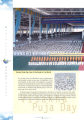
Visakha Puja Day: Day of Gratitude for the World
Visakha Puja Day: Day of Gratitude for the World
On the day of the Lord Buddha's birth, enlightenment and entered nirvana, every year all Buddhists of the world gather to take fresh encouragement by
Visakha Puja Day commemorates the birth, enlightenment, and nirvana of the Lord Buddha. This day encourages Buddhists worldwide to gather and honor the Buddha's virtues through giving, self-discipline
35
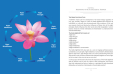
The Noble Eightfold Path for Successful Trainers
CHAPTER 4
BEGINNING TO BE A SUCCESSFUL TRAINER
THE NOBLE EIGHTFOLD PATH
A definitive master plan for development of all human beings regardless of race, age, sexuality, religion or creed, the Noble E
This chapter outlines the Noble Eightfold Path as an essential framework for trainers committed to personal and professional development. Each of the eight principles—right view, thought, speech, acti
8
The Role of Buddhism in Society
"Digested from speech of Pramạhā Boonthavy Vilaichakr Buddhism and Society
"Buddhism occurred 2500 years ago in India. Since then it has contributed a lot to the human civilization of both materialit
Buddhism, which originated 2500 years ago in India, has profoundly influenced human civilization both materially and spiritually. Its teachings guide individuals to avoid wrongdoing, purify minds, pro
24
Empowering Yourself: The Journey to Self-Reliance
3. SAVE YOURSELF FIRST
We are like a small, helpless baby bird vulnerable to dangers. Save yourself from danger before thinking and worrying about saving others.
After I left home, I never looked back
This text emphasizes the necessity of prioritizing oneself before assisting others, likening individuals to vulnerable creatures that must first ensure their own safety. It recounts personal experienc
28
DhaKma: Your Path to Self-Reliance and Prosperity
DHAKMA IS YOUR REFUGE
I see all the way through. I see clearly that, out of everything in this world and beyond-physical, natural, and spiritual- no one can help me but me.
Who else can relieve my suf
In this text, the author emphasizes the importance of self-reliance and personal responsibility in alleviating suffering. By turning to Dharma as a refuge, one can navigate life’s challenges. The key
22
Understanding the First Noble Truth
-- The First Noble Truth states that all conditioned existence is characterized by suffering or unsatisfactory condition.
-- Suffering exists. Birth, aging, sickness, death, discontentment, disappoint
The First Noble Truth explains that all conditioned existence is marked by suffering. This suffering encompasses various forms such as birth, aging, illness, and death. Essential concepts like attachm
64
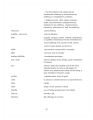
ศัพท์และคำจำกัดความในพระพุทธศาสนา
อเวจี the lowest hell
อสงไขย eternal length of time; eons; eternity; infinity
อสูักะ a corpse
อิงสงสาร non-violence
อิโหสิกรรม forgiven Kamma
อัครสาวก chief disciple
อังคุตตรนาคาย (Anguttaranikaya) Nu
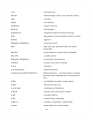
เนื้อหาประกอบด้วยศัพท์และคำจำกัดความในพระพุทธศาสนา เช่น อเวจี (the lowest hell) หมายถึงนรกที่ต่ำที่สุด, อสงไขย (eternity) แสดงถึงระยะเวลายาวนาน, อัตตา (atta) ซึ่งหมายถึงตัวตนหรืออีโก้ของบุคคล นอกจากนี

12
Erkenne dein wahres Selbst
In order to know your true self;
make your mind neutral: be still,
detached from any frame of knowledge
that you have ever heard, studied, and imagined.
Your mind will be entirely free from al
Um dein wahres Selbst zu erkennen, ist es wichtig, deinen Geist neutral zu machen und still zu sein. Lass alle bisherigen Vorstellungen und erlernten Kenntnisse hinter dir. Wenn du dies schaffst, wirs

30
The Middle Way: Balancing Sensual Indulgence and Self-Mortification
the harmfulness of the extremes of sensual indulgence and self-mortification, and advocated the following of the Middle Way or Noble Eightfold Path, the ‘group of five’, especially Keṇḍāṇa who was mos
This text discusses the risks associated with extreme sensual indulgence and self-mortification, underscoring the importance of following the Middle Way or Noble Eightfold Path. It highlights Keṇḍāṇa,
31
Dhammacakkappavattana Sutta: The Sermon
Dhammacakkappavattana Sutta:
The Sermon
Something which you will find at the beginning of every sutta are Aṅanda’s words 'Evam.e sutam...': i.e. ‘Thus have I heard (directly from the Lord Buddha)
The Dhammacakkappavattana Sutta begins with Aṅanda's phrase 'Thus have I heard' and recounts the Buddha's teachings delivered at the Isipatana Deer Park. The Blessed One addresses the group of five mo
53
The Noble Truth of the Origin of Suffering
2. Explanation of the Noble Truth of the Origin of Suffering
The Lord Buddha’s explanation of the Origin of Suffering includes all four of the Origin of Suffering’s implications in the light of the Fo
The Lord Buddha explains the Origin of Suffering, emphasizing craving as the root cause affecting all living beings. It identifies two forms of craving: self-centred craving (for personal advantage) a
90
Understanding the Pursuit of Happiness and the Cycle of Existence
Those who search for happiness via sense pleasure only
experience happiness at the moment before suffering mani-
fest itself. As soon as suffering becomes manifest, such peo-
ple are often so shocked
This text discusses the fleeting nature of happiness derived from sense pleasures and the inevitable suffering that follows. It compares individuals ensnared by cravings to a rabbit caught in a hunter
112
Understanding the Dhamma Body and Overcoming Mental Defilements
to enslave the mind and how we can overcome them. This is a major difference from the naked (physical) eye to which the defilements are invisible. The limits of our human senses are to know the manife
The passage discusses the limitations of human senses in perceiving mental defilements such as greed, hatred, and delusion. It highlights the importance of the Dhamma Body in providing insight into th
118
Understanding the Mind and Success in Buddhist Practice
and the four different functions of the mind are scattered in their separate directions like a group of people unable to work as a team — they cannot pool their abilities efficiently.
By 'all succes
This text discusses the four functions of the mind and their impact on achieving success in Buddhist practice, as emphasized by Luang Phaw Wat Paknam. He speaks on the importance of reaching a state o
122
The Journey to Inner Bodies and Enlightenment
(also called the 'astral body' or 'dream body') all the way up to the various bodies of enlightenment.
The meditator can see and consider bodies within the body by setting their attention to the centr
This text describes the meditative journey towards discovering inner bodies, known as the astral or dream body, and various spheres of awareness that lead to enlightenment. It details how focusing att
138
The Path to Enlightenment in Buddhism
grasping [räga], hatred [dosa] and delusion [moha]. When the mind is sufficiently pure to be released from these three defilements, the mind will attain the Formless Brahma Body.
The defilements assoc
This text discusses the process of achieving enlightenment in Buddhism, focusing on the overcoming of three main defilements: grasping (räga), hatred (dosa), and delusion (moha). It explains the attai
146
Understanding the Eightfold Path
which proposes various moods and situations for its approval.
Right Speech and Right Action are the tools of Right Livelihood because whenever our actions and speech are faultless, our means of liveli
This excerpt delves into the components of the Eightfold Path, highlighting the significance of Right Speech and Right Action as essential tools of Right Livelihood. It compares virtues to friends sup
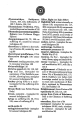
223
Exploring Dhammakāya and the Eightfold Path
Dhammakāya, Sotāpana: Effort, Right (see Right Effort)
Coarse, 108, 134; defilements of
Eightfold Path: arises internally as 136-7; Subtle, 108, 134
sphere 105; components 20, 117,
Dhammakāya Traditi
This text delves into the Dhammakāya tradition, highlighting key components of the Eightfold Path and its teachings on defilements, enlightenment, and the nature of suffering. Concepts are illustrated