

self-responsibility : ค้นหาหนังสือธรรมะ หน้า 31 / 36
หน้าหนังสือทั้งหมด
4
Stories of Virtue and Wisdom
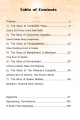
Preface........................................................................................................2
1) The Story of Venerable Tissa........................................................
This collection of stories from Buddhist teachings reveals profound insights into the nature of virtue and wisdom. Each narrative illustrates a different principle, such as how evil actions can lead t
14
อสูรร้าย: การทำลายตนเอง
14
อสูรร้าย
Yusita Realm
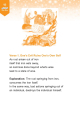
Verse 1. One's Evil Ruins One's Own Self
As rust arisen out of iron
itself that iron eats away,
so kammas done beyond what’s wise
lead to a state of woe.
**Explanation:** Th
ในบทนี้อธิบายว่าการกระทำที่ไม่ดีนั้นสามารถนำไปสู่ความทุกข์ และเป็นการทำลายตนเอง เปรียบเทียบการเกิดสนิมบนเหล็กที่กัดกินเหล็กนั้นเอง เช่นเดียวกับการกระทำที่ไม่ฉลาดซึ่งจะส่งผลร้ายต่อตนเอง. สามารถเรียนรู้
58
A Conversation with the Supremely Enlightened One
58
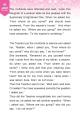
The multitude were offended and said, "Look, this daughter of a weaver talks as she pleases with the Supremely Enlightened One. When he asked her, 'From where do you come?' she should have answer
In this passage, a weaver's daughter engages in a profound conversation with the Supremely Enlightened One. The crowd is initially offended by her casual manner. When questioned about her origins, she
92
Understanding Celestial Estates
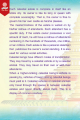
Each celestial estate is complete in itself like an entire city. Its owner is like its king or queen with complete sovereignty. That is, the owner is free to govern his her own castle as he/she please
Each celestial estate operates like a self-sufficient city, with its owner acting as a sovereign ruler. Owners are surrounded by attendants, the number of whom corresponds to their merit, ranging from

13
แรงบันดาลใจในการก่อสร้าง
ผู้ที่ก่อสร้างแรงบันดาลใจ
รับฟังความคิดเห็นและให้คุณค่าของบุคคล (Appeal to the
person’s ideals and values) คนส่วนมากต้องการเป็นคนสำคัญ อยาก
มีคุณค่า ประสบความสำเร็จ ช่วยเหลือผู้อื่น มีส่วนร่วมในความสำ
บทความนี้พูดถึงความสำคัญของการสร้างแรงบันดาลใจและการเชื่อมโยงกับค่านิยมส่วนตัวของบุคคล โดยยกตัวอย่างจากนักวิทยาศาสตร์และบุคลากรทางการแพทย์ที่มีส่วนช่วยในการพัฒนาความรู้และดูแลสุขภาพ ทำให้บุคคลรู้สึกมี

76
ทำใจของเราให้เป็นพระ
เมื่อใจอยู่ที่ศูนย์กลางกายแล้ว
ความสงบรวมทันทีจะเกิดขึ้นเอง
อย่างง่าย ๆ สบาย ๆ
Make your mind the Buddha within.
When your mind is at the center
Self-controlled will happen natura
48
The Story of Mattakundali
46 Clear-minded Youths - 5 The Story of Mattakundali
On that morning, the Buddha arising early from his deep meditation of compassion saw, in his Net of Knowledge, Mattakundali lying on the verandah.
In this narrative, the Buddha notices Mattakundali, a weak youth, during his morning alms round. Despite his frail condition, Mattakundali expresses faith in the Buddha mentally. Upon passing, he is r
54
The King's Dilemma
"I do not understand this, be it fact or no fact: either bring me the thief, or you yourself must be the thief." Thus did the king again and again question the youth.
So he said to him, "Would you, si
In this tale, a king repeatedly questions a young man about a thief, demanding him to catch the culprit. The young man perceives the king's inability to shield himself from accusations and resolves to
68
Valähassa-Jataka
Valähassa-Jataka
"They who will neglect," etc.—This story the Master told while staying in Jetavana, about a Brother who had become a backslider. When the Master asked him if it was really true that
The Master recounts a tale to a Brother who admits to backsliding due to temptation from a woman. He explains how women can lead men astray through their allure and ultimately ruin them. This theme is
23
การบวชและการพัฒนาตนเอง
เป็นคนดีธรรมดา ๆ ก็พอแล้วทำไมต้องบงชด้วย ?
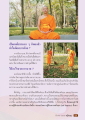
การเข้ามาบวช..ดีกว่าตรงที่เราจะมีเวลานั่งสมาธิเต็มที่ สามารถฝึกตัวเองอัดเกลาถึงได้เต็มที่ จนสามารถ ลด ละ เลิก หลายอย่าง ซึ่งการเป็นมรวาททำจุดนี้ได้มาก
ได
การบวชเป็นทางเลือกที่ช่วยให้มีเวลาฝึกสมาธิอย่างหนักจนจิตใจสงบ ซึ่งทำให้เกิดความสุขและการพัฒนาตนเอง นอกจากนี้ยังได้เรียนรู้การเป็นพระที่ดี การสร้างความเคารพในตนเองอย่างต่อเนื่อง โดยมีวิธีการตั้งคำถามกั
5
การวิเคราะห์วิถีทางพระพุทธศาสนา
164
ธรรมาธรรม
วิเคราะห์วิถีทางพระพุทธศาสนา ปีที่ 6 ฉบับที่ 1 (ฉบับรวมที่ 10) ปี 2563
Mahāyāna Buddhism:
Reasons for Diversity in the Buddha’s Teachings
SASAKI Shizuka
Abstract
Buddhism in the peri
บทความนี้วิเคราะห์ความแตกต่างของแนวคิดในพระพุทธศาสนา โดยมุ่งเน้นที่พระพุทธศาสนามหายานที่มีความคิดชนิดหนึ่งที่ต่างออกไปจากคำสอนของพระโสดาบัน โดยอ้างอิงถึงเหตุการณ์ในสมัยพระเจ้าอโศก ซึ่งเป็นช่วงเวลาที่เ
6
การสร้างเสริมศีลธรรมในเด็กปฐมวัย
การสร้างเสริมศีลธรรมในเด็กปฐมวัย
A Proposed Sila-Dhamma Cultivation Model for Early Childhood
105
counseling in early childhood. The results summarize as follows.
1. Moral Criteria should start from
บทความนี้เสนอแบบจำลองการสร้างเสริมศีลธรรมในเด็กปฐมวัย โดยมีการสร้างความเข้าใจเกี่ยวกับศีลธรรมจากอุดมคติ เช่น ศีลธรรมจากการควบคุมตนเองและการใช้จิตวิญญาณ นอกจากนี้ยังเน้นการพัฒนาทั้งสี่ด้านคือ ร่างกาย บ
5
The Ascension of King Aśoka and Historical Date Analysis
This information was drawn from the Purāṇa’s text, indicating a total of 49 years (317 B.C. + 49 years = 268 B.C.).
A review of the Purāṇa’s text shows that it is highly inconsistent and self-contrad
This paper reviews the inconsistencies in the Purāṇa’s text, focusing on King Aśoka's ascension to the throne. By examining three key factors - the reign of five Greek kings noted in Aśoka's Rock Edic
101
การมีสติและความมุ่งมั่นในชีวิต
ให้เรามี สิ่งในใจ คือ ๑. ไม่ประมาท ม. มีความมุ่งมั่น ม.โมนิสฐานที่จะไปปราบปราม
มีอยู่ในใจตลอดเวลา มีความตั้งใจคบความไม่ประมาท ความขวนขวาย ความมุ่งมั่น
การฝึกฝนพัฒนาตัวของเรานั้นก็จะเกิดขึ้น เอาใจใ
บทความนี้เน้นความสำคัญของการมีสติและความมุ่งมั่นในการพัฒนาตนเอง โดยยกตัวอย่างถึงการเอาใจใส่ในสิ่งที่ทำ รวมทั้งการมุ่งมั่นปราบปรามมารในใจเพื่อให้มีสุขภาพจิตที่ดีและประสบความสำเร็จในชีวิต ความรักและความ
62
การฝึกใจหยุดนิ่งเพื่อความสงบ
การฝึกใจหยุดนิ่ง เป็นหน้าที่ยิ่งใหญ่
เพราะเกี่ยวข้องกับตัวเราเอง
เราจงต้องตระหนักเป็นข่าวเป็นทางของพุทธอาจอยู่
การฝันใจหยุดนิ่งเพื่อข้ามพ้นทะเลแห่งสัฏฐุ
ถ้าใจยังไม่หยุดนิ่ง ชีวิตยังไม่ปลอดภัย
ยังตกอยู
การฝึกใจหยุดนิ่งเป็นหน้าที่ที่สำคัญซึ่งเกี่ยวข้องกับตัวเราเอง เราต้องตระหนักว่าการหยุดนิ่งในใจช่วยให้เราข้ามพ้นจากทะเลแห่งสัฏฐุ หากใจยังไม่หยุดนิ่ง ชีวิตของเราก็ยังไม่ปลอดภัย เรายังอยู่ภายใต้กฎหมายแห่
149
The Benefits of Mindfulness Meditation
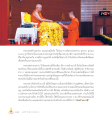
หลวงพ่อลสร้างลูกพระ ลูกเณรอยู่ในวัด ได้รมเงาบงามธรรมของท่าน ลูกพระ ลูกเณร
3,000 รูป ทั้งสาขาในประเทศ ต่างประเทศ เจ้าหน้าที่ยูลา อุบลสาร และเจ้าหน้าที่กว่ 6,000
ชีวิต ที่มาย้ำรวมกัน ภาพีปรากฎลำนี้ จึ
Mindfulness meditation offers numerous benefits for mental and emotional health, including reduced stress and anxiety, improved focus, and enhanced emotional regulation. Through consistent practice, i
286
The Art of Mindfulness
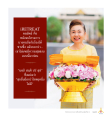
ิRETREAT
ผลลัพธ์ คือ
หลังจบโครงการ
บางคนถึงกับร้องไห้
ซาบซึ้ง แล้วบอกว่า...
เขาไม่เคยมีความสุขสงบ
แบบนี้มาก่อน
"นฤดล สนฺติ ปริ สุข"
ซึ่งแปลว่า
"สุขอันยิ่งกว่าใจหยุดนิ่งไม่มี"
This book delves into the practice of mindfulness, explaining its benefits on mental health and overall well-being. Mindfulness techniques are detailed to help individuals manage stress, improve focus
23
Understanding the Path to Nirvana: The Buddha's Teachings
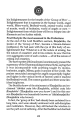
the attainment of Nirvana. In the Dhammacakkapavattana Sutta, further to the clarification of the profitable path of practice, the Buddha stipulates paths of practice that are unprofitable and might e
This text discusses the Buddha's elucidation of the paths to Nirvana as presented in the Dhammacakkapavattana Sutta. It highlights the unprofitable practices, particularly the path of sensual indulgen
29
The Enlightenment of Koṇḍañña
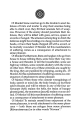
his Enlightenment for the benefit of the ‘Group of Five’ — Enlightenment that is supreme in the human world, angel world, Māra-world, Brahmā-world, animal-world, world of monks, world of brahmins, wor
This text discusses the pivotal moment when Koṇḍañña achieved enlightenment after listening to the Buddha’s teachings, recognizing the nature of arising and cessation within himself. The earth-sprites
38
The Consequences of Attachment to Sense Pleasure
O! Monks! Some warriors go to the trouble to erect defences of brick and mortar to stop their enemies being able to climb over, they fill their arsenals full of weapons. However, if the enemy should p
This text discusses how attachment to sense pleasures leads to various forms of suffering and wrongdoing. It illustrates the consequences of indulgence, including violence and crime, and emphasizes th