

HIGH : ค้นหาหนังสือธรรมะ หน้า 69 / 79
หน้าหนังสือทั้งหมด
181
The Path to Liberation in Buddhism
the defilements from their minds and to attain liberation.
The conclusion we can draw from seeing Koṇḍañña at-
tain stream-entry after a relatively short teaching (and also
from seeing the rebirth of
…ulated wholesome deeds from past lives, emphasizing the importance of good deeds in the present. It highlights that contact with the Lord Buddha's teachings is essential for attaining liberation and that …
183
Awakening Through Practice: The Path to Sainthood
The Perfections which he had built up for himself from the past, together with the good deeds of his present lifetime added up to a level of Perfections superior to those of his contemporary monks. Co
…purifying the mind, fostering happiness, and cultivating wisdom, ultimately guiding oneself towards higher spiritual attainment. This text aims to inspire readers to practice diligently and not squander t…
187
Transportation of Communities in Buddhist Scriptures
to transport the community from one continent to another or even one world to another. In the time of the Buddha, the scriptures report that people and the Universal Monarch were transported from anot
…stablished a territory called Kururattīa, with a historical link to present-day New Delhi. The text highlights the Dhamma's capability to act as both a weapon against cravings and a vehicle for liberation…
188
Understanding the Dhammacakka Pavattana Sutta
[vāddha-saṃsāra] on the levels of the Sensual Plane, the Form Plane and the Formless Plane so that we can enter upon Nirvana.
Thus in the inauguration of the Dhamma to the world, these two reasons are
… understanding the Sensual, Form, and Formless planes. It's preached to the Group of Five ascetics, highlighting misconceptions on achieving Enlightenment without meditation. This teaching is likened to t…
190
Bahiya and Konḍañña: Paths to Enlightenment
With those words alone, Bahiya was able to become an arahat. However, there are those, both in Thailand and abroad who look at examples such as that of Bahiya and come to the conclusion that you don't
This text delves into the spiritual journeys of Bahiya and Konḍañña, highlighting how Bahiya attained arahatship with minimal guidance, raising questions about the necessity…
191
The Significance of the Dhammacakka Pavattana Sutta
Siddhattha's footsteps. When Siddhattha was training him-self under the auspices of Ālara and Udaka it was Koṇḍañña who was also to train himself in Siddhattha's footsteps. Thus, Koṇḍañña, along with
… of Buddhist philosophy and meditation practices. The collective recognition of the 'group of five' highlights the depth of the meditation discipline among early followers of the Buddha, illustrating thei…
193
The Subtlety of Dhamma and the Buddha's Vocation
Dhamma in even greater subtlety. The Buddha was later to preach in the Simsapa forest that there were more leaves in the forest than he held in the palm of his hand. The 84,000 units of Dhamma which
… countless lifetimes. The subtle nature of this Dhamma makes it challenging for many to comprehend, highlighting the rarity of those ready to embrace such teachings. Ultimately, the Buddha dedicated his l…
195
The Buddha's First Sermon: A Journey of Enlightenment
just passed away seven days ago and would now have to spend an exceedingly long lifetime in the formless Brahma-world. He might not even have the chance to hear the teachings of the next Buddha, let a
… Group of Five monks in the Deer Park, marking a pivotal point in spreading his teachings. The text highlights the challenges the Buddha faced in finding disciples amid cosmic forces at work, illustrating…
196
The Dangers of Sensual Pleasures and Self-Mortification
1.1 Kāmasukhallikāyunāga: indulgence in the various sensual pleasures is harmful in the following ways:
1.1.1 Hino: It makes the mind coarse and clouded;
1.1.2 Gammo: (this word literally means "house
…ilarly, self-mortification creates unnecessary suffering and restricts spiritual escape. The Buddha highlighted these extremes to warn followers against slipping back into worldly ways or extreme ascetici…
197
The Middle Way: Buddha's Revolutionary Teaching
tered to liberate themselves from suffering, but because the strongest spiritual trend of the time was the practice of self-mortification, many went astray or perished in their quest. Having tormented
… were misled by the practice of self-mortification in their quest for liberation from suffering. It highlights that both sensual indulgence and extreme self-mortification are unprofitable paths. The Buddh…
200
The Middle Way and the Four Noble Truths
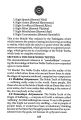
3. Right Speech [Sammā Vācā]
4. Right Action [Sammā Kammanta]
5. Right Livelihood [Sammā Ājīva]
6. Right Effort [Sammā Vāyāma]
7. Right Mindfulness [Sammā Sati]
8. Right Concentration [Sammā Samādhi]
… causes of suffering. This understanding is crucial for those seeking to achieve supreme sainthood, highlighting the revolutionary potential of viewing suffering in a new light, distinct from ancient beli…
203
Buddhist Teachings on Cessation of Suffering
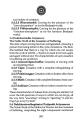
सual realms of existence;
3.2.2.2 Bhavaṭanāḥ: Craving for the pleasure of the "form-absorptions" or for the Brahmā-world;
3.2.2.3 Vibhaṭanāḥ: Craving for the pleasure of the "formless-absorptions"
…tion from craving. Additionally, it introduces the method of practice for achieving this cessation, highlighting the journey towards enlightenment and freedom from suffering. More insights can be explored…
207
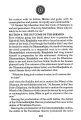
The Liberation and Enlightenment of Koññña
the cosmos with its deities, Mārās and gods, with its contemplatives and priests, its royalty and commonfolk."
"O! Monks! My liberation from the Cycle of Existence is real and permanent. This is my fi
…he Wheel of Dhamma in motion. The reaction of various celestial beings to this momentous event also highlights the impact of the Buddha's enlightenment on the cosmos. The proclamation of the earth deities…
208
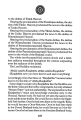
The Proclamation of Deities in Buddhist Cosmology
to the deities of Yāma Heaven.
Hearing the proclamation of the Tavātma deities, the deities of the Yāma Heaven proclaimed the news to the deities of Tusita Heaven.
Hearing the proclamation of the Yāma
…rther advancement on the Eightfold Path. Upon progressing through the subtle realms, he can achieve higher states of enlightenment, ultimately leading to Non-Returner status.
213
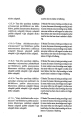
Understanding Suffering and Its Origin
aloko udāpadi. must be done in relation to Suffering.
<3.5.3> Ta
This text discusses the detailed understanding of suffering as articulated by monks. It highlights the arising of wisdom, knowledge, and brightness concerning truths about suffering and its or…
215
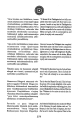
The Tathāgata and the Cycle of Enlightenment
Yāva kivāñca me bhikkhave, imesu "O! Monks! If the Tathāgata had not fully com-
catusu ariyassaccevaṁ tiparivattaṁ completed these three cycles with their twelve com-
dvaḍasākāraṁ yathābhuṭṭaṁ nān
…ened Buddha. He claims that this enlightenment is permanent and indicates the cessation of rebirth, highlighting the importance of the teachings he shares. The text also references the moment the Buddha s…

217
The Moment of Enlightenment
brahmunā vā kenaci vā lokasminṭi”.
Itīha tena khaṇena tena muhuṭṭena yava brahmalokā saddo abbhuaggacchi. Ayāṅca dasasahassi lokadhātu saṅkampi sampăampi sampa’vedhi. Appamaṇo ca olāro obhāso loke pā
…vā acknowledges Kondañña's awakening, marking his transformation into Aṅña-Kondañña. This narrative highlights a pivotal point in spiritual attainment, emphasizing the profound effects of enlightenment as…
219
Understanding Suffering and Enlightenment in Buddhism
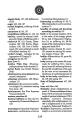
Angelic Body 107, 122; defilements by attaining Dhammakaya 111 of 135
bemoaning, as suffering 47, 58, 71,
anger 135, 136, 137 199; relationship to sorrow and lam-
animal kingdom, suffering of birth en
…g its significance in meditation practices. Various metaphors related to the aggregates of clinging highlight the importance of understanding reality for spiritual growth. The text also touches upon the B…
220
Exploring the Path to Enlightenment in Buddhism
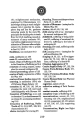
101; enlightenment mechanism, chanting, Dhammacakkapavattana explained by Dhammakaya 111; Sutta 10-11, 209-16 knowledge arising to reach enlightenment 140-1; practice 94, metaphors: dog and lion 94; g
…hy. The metaphors used, such as the cemetery of rotting corpses and the chariot of Dhamma, serve to highlight the teachings effectively. Through these teachings, the attainment of arahants and right conce…
221
Understanding Suffering and the Cycle of Existence
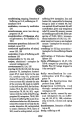
conditioning, stopping, Cessation of suffering 93-4 {metaphor, lion and
Suffering as 51-2; suffering as 47 hunter 94); responsible for keeping
conduct 145-6 being in cycle of rebirth 80; retin-
confu
… categorizations. It discusses the Cycle of Existence and how attachment leads to rebirth. The text highlights the importance of meditation and self-reflection as tools for overcoming suffering. Metaphors…