

Hi : ค้นหาหนังสือธรรมะ หน้า 131 / 216
หน้าหนังสือทั้งหมด
9
Challenges of U.S. Policy in the Middle East
security was completely overshadowed by belligerent White House statements that U.S. policy toward Iran would remain unchanged, raising the specter of war.…
…tates. Additionally, U.S. credibility is undermined by domestic political struggles in the region, while sectarianism continues to rise as a divisive issue. For more insights, visit dmc.tv.
11
Iraq's Complex Reality: The Interwoven Challenges of State Failure and External Influences
…er of U.S. troops by 30,000 has succeeded in reducing violence, although levels are still extremely high. But Iraq is still unable to discharge the administrative functions of the state. Budgets remain …
Iraq's current situation as a failed state is deeply intertwined with Iran's influence. The U.S. invasion has led to a power struggle, making it impossible for Iraq to function effectively. Political
12
Political Dynamics in Iraq Post-2007
…ed to develop their own autonomous region. Popular sentiment in Kurdistan favors independence, but this is a path leaders have so far firmly rejected (or postponed) as too dangerous. The Kurds have acte…
Post-2007, the United States achieved a reduction in violence in Iraq, yet significant political progress remains elusive. Iraqi poli…
14
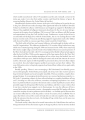
The Political Landscape of Iraq and Iran Post-Saddam
It is out of this reality of conflicting and changing political agendas that a political agreement would have to be …
This text examines the complex realities of Iraq's political environment following the fall of Saddam H…
15
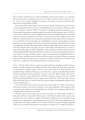
Iran's Strategic Influence in Post-Saddam Iraq
which ended conclusively with a UN-mandated cease-fire and eventually a return to the status quo, made …
This text discusses the significant changes in the balance of power in the Middle East following the U.…
17
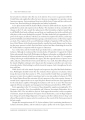
The Complexity of Syrian-Lebanese Relations
represented by the March 8 forces led by Hizbollah and the Syrian regime, seen as proxies for Iran and its policy of regional domination. The S…
This content discusses the influence of Syria and Iran on Lebanon's political environment, particularly…
18
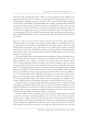
The Complex Relationship Between Syria and the United States
but set aside its criticism when this was in its interest. It was never in agreement with the United States and sought other allies, but…
The text explores the evolving relationship between Syria and the United States, highlighting key moments such as the leadership transition fr…
19
Realities of the New Middle East
…ts fences with other Arab states, although there was no obvious change in its position on Lebanon. While it was unclear how much Syria was willing to compromise on other issues to get back its territory…
…text discusses the political realities of Lebanon following Syria's withdrawal and the influence of Hizbollah and other political factions. Despite Syrian troop withdrawal, control issues persist, with …
20
The Complex Dynamics of Lebanese Politics and the Israeli-Palestinian Conflict
…gs: the March14 anti-Syrian forces and the March 8 pro-Syrian forces. The March 14 demonstrations, which in the U.S. narrative became the Cedar Revolution, marked, in effect, the rise of an anti-Syrian …
This text discusses the political dynamics in Lebanon following the Cedar Revolution, highlighting the …
21
Realities of the New Middle East: The Two-State Solution
… much of the viability of the two-state solution. The greatest policy challenge for American leadership will be to reverse the realities that doom the two-state solution or find an alternative. Either t…
…the Israeli-Palestinian conflict is increasingly in question due to the weakened Palestinian leadership and diminishing trust between Palestinians and Israelis. Events over the past decades have created…
23
Challenges in U.S. Policy Toward Palestinian Elections
…tor as Congress sought to codify the harshest version of current policy into standing legislation. This laissez-faire attitude toward congressional action has now created a new reality in which aid to P…
…o undermine the democratic outcome, particularly emphasizing the Bush administration's approach. It highlights the tensions between U.S. policy commitments and legislative restrictions that obstruct Pal…
24
Diplomatic Challenges in the Middle East
…ve negotiations. When it did so, it followed a different approach from that of its predecessors, pushing for a quick agreement on final status issues. Since 1967, the United States has been very hesitan…
… assumption held by the administration that a two-state solution is viable despite the divisions within Palestinian leadership and territorial complexities. Additionally, it highlights the urgency of nu…
25
Nuclear Proliferation in the Middle East: Challenges and Implications
… need for new, noncarbon sources of energy for their growing populations and economies. In itself, this is not worrisome. The long-term problem is that stable and friendly countries can become less so, …
This text discusses the complex dynamics of nuclear proliferation in the Middle East, particularly focu…
26
The Complex Dynamics of Iran's Nuclear Aspirations
…"2 To make matters worse, in September 2006 the U.S. Congress passed the Iran Freedom Support Act, which imposed mandatory sanctions on entities that supply goods or services for Iran’s conventional wea…
…spurred by various factors, including U.S. sanctions, the Iraq war, and surging oil prices. Despite hints of military action from the U.S., Iran's leadership perceives capitulation as a sign of weakness…
27
Realties of the New Middle East
…r intention to do so, and Algeria revived an old project that had first surfaced during the 1990s. While each country has expressed plans to develop only nuclear power plants, a combination of factors, …
This text discusses the complexities and challenges in the New Middle East, particularly regarding nucl…
28
The New Middle East: Democracy vs. Stability
…nd dropped quickly when governments objected.
After September 11, President Bush openly repudiated this policy. “Sixty years of Western nations excusing and accommodating the lack of freedom in the Midd…
This text discusses the shift in U.S. foreign policy in the Middle East following the September 11 atta…
29
The Impact of U.S. Pressure on Egyptian Democratic Reform
…s, including a constitutional amendment that required direct election of the president, rather than his indirect choice by the parliament. But then the Egyptian government proceeded to void the reform o…
…S. reacted to Egypt's governance by canceling a free-trade agreement due to human rights concerns. While some reforms were proposed in Egypt, they were undercut by restrictive regulations. By mid-2006, …
30
The Dynamics of Secular and Islamist Parties in Arab Politics
…ition is not entirely of its own making. Arab authoritarian and semi-authoritarian regimes—many of which have been ruling their societies in the name of secular ideologies—have long employed repressive …
…position has struggled against longstanding authoritarian regimes that repress liberal ideologies, while conservative social attitudes limit their political expression. A failure in constituency-buildin…
31
Political Dynamics and Sectarian Tensions in the Middle East
…
The adoption and subsequent abandonment of the freedom agenda brought into the open the extent to which the political situation in most Arab countries makes quick transitions to democracy in the region…
The text discusses the complexities faced in promoting democracy in Arab nations, highlighting the influence of incumbent regimes resistant to political reform. It notes that, despite …
33
Discontent and Political Activism Among Shi’i Minorities
Discrimination inevitably breeds discontent and resentment, and those certainly exist among Shi’i minorities in the Gulf and, of course, in Lebanon. The real question, however, is whether this re…
The text examines the roots of resentment among Shi’i minorities in the Gulf and Lebanon, noting its implications for political activism. Discriminatio…