

life-changing : ค้นหาหนังสือธรรมะ หน้า 79 / 96
หน้าหนังสือทั้งหมด
24
Importance of Human Behaviour and Making Choices
CHAPTER 2
IMPORTANCE OF HUMAN BEHAVIOUR AND MAKING CHOICES
DEFINITION OF BEHAVIOUR
Our behaviour is the result of our thoughts and actions; it is the way we respond to external situations and conditi
บทที่ 2 เกี่ยวกับความสำคัญของมนุษยพฤติกรรมและการเลือก เปิดเผยว่าพฤติกรรมของเราเป็นผลลัพธ์จากความคิดและการกระทำซึ่งส่งผลต่อการตอบสนองต่อสถานการณ์ภายนอก การศึกษาและปฏิสัมพันธ์ทางสังคมมีส่วนในการพัฒนาควา
26
The Importance of Good Habits in Education
CHAPTER 2
Furthermore, a good education system is essential in assisting the parent to
continue to build the knowledge of the individual along the right path to further
strengthen the fabric of human
This chapter discusses the significance of a solid education system in fostering good habits among individuals which leads to mental, physical health, and societal benefits. It defines habits, categor
28
Understanding Kamma and Its Impact on Our Lives
accumulating bad kamma they are like prisoners in their own kammic cells, unaware of their perpetual imprisonment. Unfortunately, as aforementioned, this prison of life is so vast that we cannot see t
This text discusses the nature of kamma and its profound impact on our lives, likening bad kamma to a prison that limits our awareness and actions. It emphasizes how thoughts, speech, and actions dire
32
The Complete Teacher: Integrating Academic Excellence and Dhamma in Education
Chapter 3
directly and indirectly so that students can understand and learn thoroughly. This requires trainers who have not only the first level of wisdom, which is from memorization, but also from t
บทนี้อธิบายถึงความสำคัญของครูในฐานะที่เป็นแบบอย่างและการผสมผสานความรู้ทางวิชาการเข้ากับธรรม เพื่อช่วยให้นักเรียนเติบโตเป็นคนดี เนื้อหายังกล่าวถึงระดับความเข้าใจที่พระพุทธเจ้าสอนเกี่ยวกับชีวิต สี่ขั้นต
40
Right Concentration and the Noble Eightfold Path
Right Concentration — Leads to Understanding and Knowledge Retention
Consciousness that is still and concentration are so closely related that they can be considered to be one and the same.
Students w
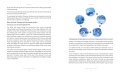
Concentration and stillness of consciousness are vital for academic success and personal growth. Practicing meditation enhances students' understanding and respect for learning. The Noble Eightfold Pa
41
Understanding Buddha's Dhamma and Sustainable Habits
At the same time the power of merit that results from the doing of good deeds will decrease baap.
The three types of suffering will decrease while the four elements in the body will become less soile
บทความนี้กล่าวถึงพลังแห่งบุญและการลดทุกข์ที่เกิดจากการทำดี โดยเน้นถึงความสำคัญของการศึกษาในวัยเด็กเพื่อทำความเข้าใจธรรมะของพระพุทธเจ้า และวิธีการที่การโค้ชและการฝึกอบรมอย่างครบถ้วนสามารถช่วยในการพัฒนา
46
The Privilege of Teaching
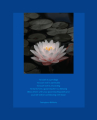
**To teach is a privilege**
**To teach well is admirable**
**To teach well is rewarding**
**To learn from a good teacher is a blessing**
**Bless others with your good teaching skills and your
การสอนเป็นสิทธิพิเศษที่ยิ่งใหญ่ การสอนที่ดีนั้นควรค่ามาก ซึ่งไม่เพียงแต่จะให้ความรู้แก่ผู้อื่น แต่ยังเป็นการให้ชีวิตที่ต่อเนื่องกับผู้สอนเอง การเรียนรู้จากครูผู้ดีเป็นการเสริมสร้างขนบธรรมเนียมและความร
47
To teach is a privilege
To teach well is admirable
To teach well is rewarding
To learn from a good teacher is a blessing
Bless others with your good teaching skills and
your life will be overflowing w
7
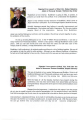
The Role of Buddhism in Society and Unity among Traditions
Digested from speech of Most Ven. Daijyo Nakajima
Abbot of Honryuji Temple / Nichiren-Sye Order
"Buddhism is from internal. Buddhism is going to help, to protect, to prevent our world from the conflic
The speeches of Most Ven. Daijyo Nakajima and Most Ven. Trish Han Tan highlight the significance of Buddhism in fostering peace and addressing societal challenges. Nakajima emphasizes Japan's civiliza
11
WBSY Sangha Unity Declaration
WBSY SANGHA UNITY DECLARATION
We, the young monastic delegates from more than thirty countries assembled here for the fourth conference of the World Buddhist Sangha Youth at Wat Phra Pathom Chedi on
The WBSY Sangha Unity Declaration was made by young monastic delegates from over thirty countries during the fourth conference. Taking place at Wat Phra Pathom Chedi on December 14, 2007, the declarat
22
Formation of Good Habits
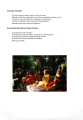
Formation of Habits
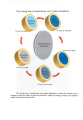
* The work which is done in each of the five rooms
* Attitude toward the consumption of the four necessities in these rooms
* The way to consume the four necessities in these rooms
This text discusses the various aspects of habit formation, emphasizing the importance of attitude towards life's necessities, manners in living and working together, and one's approach to livelihood.
26
Formation of Habits
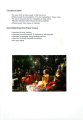
Formation of Habits
. The work which is done in each of the five rooms
. Attitude toward the consumption of the four necessities in these rooms
. The way to consume the four necessities in these rooms
This text discusses the formation of habits in various aspects of life, focusing on the work done in different areas and attitudes towards basic necessities. It emphasizes the importance of good habit
27
The Lasting Way to Disseminate and Protect Buddhism
Working Room
To build up wealth
Bed Room
To build up motivation
Bath Room
To build up vitality
Dining Room
To build up life energy
Dressing Roo
32
Strive to Build Maximum Merit
17. STRIVE TO BUILD MAXIMUM MERIT
Dhamma is something deep and profound. It is not easy for ordinary people to attain or even comprehend in a short amount of time.
You know that it is difficult to
การมีชีวิตเป็นมนุษย์นั้นเป็นการอัศจรรย์ที่สำคัญมาก เราต้องใช้ชีวิตให้มีคุณค่าและสร้างบุญให้มากที่สุด พระพุทธศาสนาย้ำว่าการกระทำดีจะส่งผลดี ซึ่งบุญคือสิ่งเดียวที่เราสามารถนำติดตัวไปหลังจากตาย ทุกคนต้อง
36
Priceless Treasure and the Importance of Merit
25. PRICELESS TREASURE
At this moment I’m still healthy; let me tell you what is on my mind. Remember
my words.
I’m giving you an invaluable treasure. Please take good care of the treasure
that I’m
เนื้อหาเน้นถึงความสำคัญของการดูแลสุขภาพจิตและการสร้างบุญเพื่ออนาคต เชิญชวนให้ทุกคนไปวัดเพื่อสะสมบุญก่อนที่จะสายเกินไป และการเก็บรักษาเจตนาบริสุทธิ์ของตนเอง ก่อนการก่อสร้างวัดที่มอบให้แก่ชุมชน โดยถือว่
38
Embracing Contentment
BE CONTENT
Let us be neither blindly ambitious nor greedy. Instead, let us learn modesty and contentment. Greed can turn an honest man into a fraudulent one.
I dislike a dishonest person.
When you ar
This text emphasizes the significance of being content and modest rather than succumbing to greed. It highlights how greed can lead to dishonesty and misery. By maintaining a pure mind and living simp
41
Understanding True Nature and Building Relationships
35. SEEING THROUGH PEOPLE
There is a parable about a fox that was raised as a lion. It is the fox's nature to eat excrement. But one fox was taken and raised like a lion. He was fed the finest meat an
This text discusses the essence of recognizing one's true nature illustrated by a parable about a fox raised as a lion. It emphasizes the value of good human relations, teamwork, and the importance of
43
Receiving Guests with Compassion and Dhamma
40. RECEIVING GUESTS
Receiving guests who inquire for your help is not easy. We must learn the proper way to do it. Although we must cater to them, we must also maintain our moral nature, especially
Receiving guests seeking guidance can be challenging. It is essential to cater to them while upholding our moral nature and Dhamma. Guests often share their struggles, which can distract us from our p
50
Meditative Power
52. MEDITATIVE POWER
When it comes to meditation, I have practiced thoroughly and became so proficient that I can comprehend everything, knowing what and where everything is.
When it comes time to m
This text discusses the practice of meditation, highlighting the author's proficiency in achieving a deep understanding and focus during sessions. The author emphasizes the importance of separating me
62
The Importance of Good Deeds in Temple Life
76. WHAT YOU DO, YOU GET
Those of you who take residence at the temple have given up your worldly attachments for the opportunity to be here. Since you have already given up so much, you should make y
In temple residency, individuals sacrifice worldly attachments for spiritual growth. It’s imperative to embrace every chore and task as a responsibility. Ignoring duties undermines the merit gained, w