

life-goals : ค้นหาหนังสือธรรมะ หน้า 79 / 102
หน้าหนังสือทั้งหมด
88
Overview of Theravāda Buddhist Manuscripts in China
I will give a brief overview of the manuscripts that have been
discovered and catalogued, an explanation of some current research
projects, and I will discuss some of the problems that threaten
China'
This document provides an overview of Theravāda Buddhist manuscripts found in China, particularly in Yunnan Province. It discusses the significance of these manuscripts within the Dai community and hi
104
Historical Significance of the Lan Na Palm-Leaf Manuscript
Bangkok period.
The Lan Na palm-leaf manuscript itself cannot provide an accurate date for the composition of the verse because palm-leaf manuscripts are fragile, and rarely survive more than a centur
The Lan Na palm-leaf manuscript's dating is uncertain due to its fragility, but it has been recited by devout Buddhists since the 16th century, alongside evidence from the Phitsanulok inscription and
133
The Practice of Neidan: Achieving Longevity and Immortality
finding is a method of finding illumination by returning to the fundamental order of the cosmos65. This involves fully emptying out the contents of consciousness until a condition of union with the wa
The text discusses Neidan, a method for achieving union with the cosmos through deep meditation and consciousness emptying. It examines key concepts such as attaining the One, the empty Way, and the P
134
Exploring Daoist and Buddhist Visualization Techniques
The second one is the "Golden Palace" which is located below the heart and spleen, and the last field is the "Mud Pill Court" or the Palace of Ni-wan which is located about three inches within the hea
The text discusses the Golden Palace and the Mud Pill Court in relation to Daoist meditation. It highlights the visualization techniques associated with the cinnabar field, emphasizing its significanc
138
Exploring Chinese Philosophical Texts and Their Influence
Kohn, Livia, and Yoshinobu Sakade. Taoist Meditation and Longevity Techniques. Center for Chinese Studies, University of Michigan, 1989.
Mair, Victor H. “What Is Geyi, After All?” In Philosophy and Re
This collection examines various texts that shed light on the development of Chinese philosophical thought and literary traditions. Works range from Livia Kohn's exploration of Taoist meditation pract
105
Understanding Your Foundations and Spiritual Growth
7 This is very important because it is the place where you were born.
If you go to different foundations, start from foundation 7 to 6, 5, 4, 3, 2, 1 and then go to the new one. If you do not, you wil
This text discusses the significance of foundational stages in personal growth, emphasizing starting from foundation 7 down to 1 before moving onward. It highlights the connection between physical wel
55
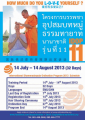
International Dhammadayada Ordination Program 2013
HOW MUCH DO YOU L-O-V-E YOURSELF ?
看您有多爱自己?
โครงการบรรพชาอุปสมบทหมู่ธรรมทายาทนานาชาติ IDOP รุ่นที่ 11
国际佛法新传者短期出家活动
14 July – 14 August 2013 (32 Days)
International Dhammadayada Ordination Program 201
The International Dhammadayada Ordination Program (IDOP) offers a unique opportunity for individuals to experience monastic life. Scheduled from July 14 to August 14, 2013, this 32-day program welcome
75
การสร้างความดีและบุญในการเข้าวัด
"เมื่อเราเข้าวัด ก็มีมุ่งหวังอย่างเดียวคือเพื่อสร้างความดีให้มาก ๆ มาเอาบุญนี้ตนเองมาเพื่อที่จะทำประโยชน์ให้แก้ตัวเองแท้ ๆ will then just think that we have to do the best in life because we get a lot
บทความนี้กล่าวถึงความสำคัญของการเข้าวัดเพื่อสร้างความดีและบุญ เน้นความมุ่งหวังในการทำบุญเพื่อพัฒนาตนเองให้ดีขึ้น โดยความเชื่อว่าการทำดีจะนำไปสู่โอกาสที่ดีในชีวิตและช่วยให้เราสามารถทำประโยชน์ให้กับผู้อ
29
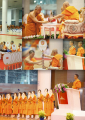
Buddhist Monk Ceremony
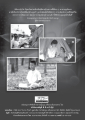
The image contains various scenes from a Buddhist monk ceremony or event. The readable texts in the images include:
- "5" (number on the wall in the background of the bottom left part)
- "1" (on a si
This collection showcases various scenes from a Buddhist monk ceremony, highlighting the tranquility and deep spirituality of the event. The number '5' appears on different signs, indicating significa
1
ลิขิตปิติ
ความจริง ความตาย
The Truth of Life after Death Exhibition
อะไรตอนจบ หรือจะเห็นตาย
10
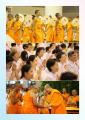
Ceremonial Gatherings in Monastic Life
- The first image shows young monks dressed in orange robes, walking in a line, some holding fans or parasols.
- The second image depicts a group of women, most with their hands in a prayer gesture, s
This content portrays the rich traditions and ceremonial gatherings within monastic life, showcasing young monks in their distinctive orange robes, participating in processions. Women in white attire
7
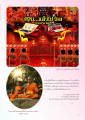
ฆ่าย…แล้วไปไหน
ฆ่าย…แล้วไปไหน
LIFE AFTER DEATH
กุหลาบธรรมไม่มีเปลี่ยนแปลง ไม่มีวัน
ขยันหรือขี้เกียจ ความสมัครใจของเรา ถ้าเราเต็มใจ
สมัครใจอยากจะเข้าสู่ถึงก็ถึง ถ้าไม่สมัครใจก็จะเข้า
ถึงไม่ถึง แล้วแต่เราจะปราณาอย่า
บทความนี้นำเสนอแนวคิดเกี่ยวกับชีวิตหลังความตายและบทบาทของการออกแบบชีวิตอย่างมุ่งมั่นของมนุษย์ เพื่อมุ่งไปสู่การบรรลุพรนิพพาน. ผู้เขียน, พระเทพญาณมหามุนี, เห็นว่า การเต็มใจและความพยายามเป็นสิ่งสำคัญต่อ
7
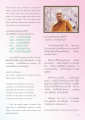
ธรรมะสมเด็จพระสังฆราชองค์ที่ 2
ธรรมะสมเด็จพระสังฆราชองค์ที่ 2
ชีวิตกับกรรมที่กระทำ
ทุกชีวิต.....ก่อนแตะได้มาเป็นคน เป็นสัตว์
อยู่ในปัจจุบัน ต่างเป็นอะไรเมื่อไรมาแล้ว
มากมาย แยกออกไม่ได้ว่า..... มีกรรมดีกรรมชั่ว
อะไรบ้าง ทำกรรมใดก่
ทุกชีวิตก่อนที่จะแตกต่างกันไป ทุกมีความเกี่ยวข้องกับกรรม และมีผลที่เกิดขึ้นจากกรรมดีและกรรมชั่ว โดยไม่สามารถเรียงลำดับหรือระบุผลได้อย่างชัดเจน ผลจากกรรมที่ได้กระทำจะเกิดขึ้นในเวลาที่ต่างกัน และไม่อาจแ
10
ธรรมะและกรรม: ความซับซ้อนของกรรม
ธรรมะสมเด็จพระสังฆราชองค์ที่ 6 : สิ่งที่แสดงให้เห็นความซับซ้อนของกรรม
ความซับซ้อนของกรรมแตกต่างกับความซับซ้อนของตัวหนังสือดงัสองนี้ ...... เมื่เขียนทับกันมาก ๆ ก็อ ข้อไม่มากรู้ว่า เขียนเรื่องดี หรือเร
เนื้อหาสำรวจความซับซ้อนของกรรมว่าแม้จะซับซ้อนเพียงใด เราสามารถแยกแยะกรรมดีและไม่ดีได้จากผลที่เกิดขึ้น นอกจากนี้ยังเน้นความแตกต่างในชาติกำเนิดของแต่ละบุคคลที่แสดงให้เห็นถึงกรรมในอดีต โดยทุกชีวิตมีพื้นฐ
15
ธรรมนสมเด็จพระสังฆราชที่ 11
ธรรมนสมเด็จพระสังฆราชที่ 11
: พึงหนีให้พ้นอำนาจอันน่ากลัวของกรรม
เทวตา.......มาเกิดเป็นมนุษย์ได้
มนุษย์.....ไปเกิดเป็นเทวาได้
เทวตา.......มาเกิดเป็นสัตว์ได้
สัตว์......เกิดเป็นเทวาได้
มนุษ
เนื้อหาเกี่ยวกับการเกิดใหม่ในพระพุทธศาสนา อธิบายถึงการกระทำและผลกระทบของกรรมในชีวิตมนุษย์และเทวตา และความสำคัญของการหลีกหนีจากกรรมที่ไม่ดีในอดีตและปัจจุบัน โดยมีการเชื่อมโยงระหว่างการเกิดใหม่ของมนุษย์
16
Understanding Reproductive Kamma
Kamma causes reproductive act, a final phase of life before departing this present world or a final idea or mind that is attached to is called reproductive kamma.
If one has an idea on merits when on
Reproductive kamma represents the final thoughts and mental conditions one experiences before departing this world. A positive focus on merits and virtues leads to a better state of mind and body, whi
21
การเข้าใจกรรมดีและกรรมไม่ดีในชีวิต
อันเป็นเหตุดีต่อไปนั้นมั่นคงมั่งเสมอ
ธรรมะภาษาอังกฤษ 19 : Those who sow the wind will reap the whirlwind
Those who enjoy the fruits of good kamma in the previous existence such as to be born in no
ในบทนี้กล่าวถึงเรื่องกรรมดีและกรรมไม่ดี โดยชี้ให้เห็นว่าผลของกรรมดีที่ได้กระทำจะส่งผลต่อชีวิตในปัจจุบันและอนาคต เช่น การเกิดในครอบครัวที่ดี มีความร่ำรวย สุขภาพดี และอายุยืน เราควรทำความดีอย่างต่อเนื่อ
14
The Examination of Moral Consequences
6. ' Even though Master Kassapa says thus, it still appears to me that not one of these things exists. '
' Have you, Prince, any proof to establish that they do not exist ? '
' I have, Master Kassapa.
In this dialogue, the protagonist questions Master Kassapa about the existence of moral consequences for unethical actions. Despite Master Kassapa's assertions, the protagonist cites personal experien
20
Exploring the Existence of Life After Death
'Have you, prince, any further proof to establish that they do not exist ?'
' I have, Master Kassapa. '
' As how ? '
' Here it is, Master Kassapa. I have had friends and companions, kinsmen, men of th
บทสนทนาระหว่างเจ้าชายกับอาจารย์คัสซัปปะ เกี่ยวกับการมีหลักฐานที่ชัดเจนในการพิสูจน์ว่าชีวิตหลังความตายมีจริงหรือไม่ เจ้าชายกล่าวถึงเพื่อนๆ และญาติที่รักษาศีลธรรมแต่ประสบโรคภัยและไม่ได้เกิดใหม่ในโลกที่ส
38
The Illusion of the Soul
Inflict on him what penalty you wish. " And I should say: - " Well then, my masters, throw this man alive into a jar; close the mouth of it and cover it over with wet leather, put over that a thick ce
In this dialogue, the speaker challenges beliefs about the soul and an afterlife through a vivid imagery of a man's punishment. A scenario involving sealing a man in a jar and observing whether his so