

life-goals : ค้นหาหนังสือธรรมะ หน้า 80 / 102
หน้าหนังสือทั้งหมด
40
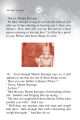
The Existence of the Soul in Dreams
' Not so, Master Kassapa. '
' So they who are living do not see the soul of you who are living entering or leaving you (when you dream ). How then will you see the soul of a dead person entering or le
In a profound dialogue, Master Kassapa discusses the nature of the soul with a prince who doubts its existence. The prince questions why living beings cannot perceive souls entering or leaving. He pre
44
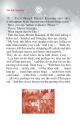
The Nature of Existence and Evidence
18. ' Even though Master Kassapa says this, it still appears to me that not one of those things exists. '
' Have you any further evidence, Prince ? '
' I have, Master Kassapa.'
' What might that be
In this excerpt, Prince engages in a philosophical discussion with Master Kassapa about the existence of the soul. The Prince presents a scenario where a felon is punished severely, questioning the ab
52
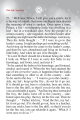
The Jatila and the Boy: A Lesson in Responsibility
' Well now, Prince, I will give you a simile, for it is by way of a simile that some intelligent men discern the meaning of what is spoken. Once upon a time, Prince, a fire - worshipping Jatila was dw
This story tells of a fire-worshipping Jatila living in a forest who rescues an abandoned baby. He raises the boy and teaches him the importance of responsibility by instructing him to tend the fire w
76
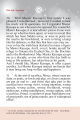
The Teachings of Master Kassapa
' With Master Kassapa's first simile I was pleased, I was charmed ; moreover I wanted to hear his ready wit in questions, for I regarded Master Kassapa as one who was to be opposed. It is wonderful, M
In this text, the narrator expresses admiration for Master Kassapa's teachings, viewing him as a guide on the path to enlightenment. The dialogue reveals the significance of understanding true sacrifi
565
Buddhist Manuscripts and Translations
Harrison, Paul M., trans. 1998. *The Pratyutpanna samādhi sūtra,* BDK English Tripiṭaka. Berkeley, CA: Numata Center for Buddhist Translation and Research.
Harrison, Paul. 2006. "Vajracchedikā Prajñāp
This collection features key translations and studies of Buddhist manuscripts, highlighting the work of scholars like Paul M. Harrison and Jens-Uwe Hartmann. Notable texts include the Pratyutpanna sam
1
The Virtue of Almsgiving
The Path to a happy life
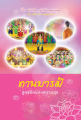
กานบารมี
สูตรรัลแห่งความสุข
32
The Role of Mahā pajā pati Gotaṃi in Early Buddhism
21 Mahā pajā pati Gotaṃi was the younger sister of Queen Mahā mā yā the Buddha’s mother, and was also the wife of King Suddhodana. After Mahā mā yā’s death, she became the Buddha’s foster mother. The
Mahā pajā pati Gotaṃi, sister of Queen Mahā mā yā and wife of King Suddhodana, became the Buddha's foster mother after the queen's death. During the early days of the Buddha's teachings, she advocated
60
The Voice of Abandoning: Velama Sutta
The Voice of Abandoning
7. Velama Sutta
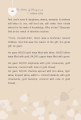
"Householder, regardless of whether a gift is coarse or refined, if it is given inattentively, disrespectfully, not with one's own hand, as if throwing it away
In the Velama Sutta, the Buddha emphasizes the importance of the quality of gifts over their material worth. Whether a gift is simple or elaborate, the intention behind it matters greatly. Gifts given
62
The Venture of Ahimsaing: Velama Sutta
The Venture of Ahimsaing
7. Velama Sutta
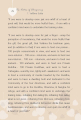
And one's sons & daughters, slaves, servants, & workers will listen to one, will lend ear, will make their minds attend for the sake of knowledge. Why is that
The Velama Sutta narrates the story of a brahman named Velama who performed immense acts of generosity, including giving away 84,000 gold trays, silver trays, and elephants decorated with gold. This i
72
Velama Sutta: The Power of Good Will
The Voice of Abstaining
7. Velama Sutta
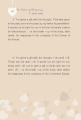
“If one were to develop even just one whiff of a heart of good will, that would be more fruitful than... if one with a confident mind were to undertake the tra
This text discusses the teachings of the Velama Sutta, emphasizing that developing even a small amount of good will is more fruitful than significant material offerings and merits. It illustrates how
88
The Vitality of Absorbing Gifts
The Vitality of Absorbing
9. Dana Sutta
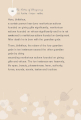
3. "he gives a gift with the thought, 'This was given
in the past, done in the past, by my father & grandfather.
It would not be right for me to let
The text delves into the Dana Sutta, emphasizing the importance of giving as a custom passed down through generations. It highlights two perspectives on gift-giving: one derived from family tradition
96
The Venture of Absorbing
The Venture of Absorbing
10. Pūṇā - kiriya - vatthu
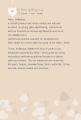
Here, bhikkhus,
a certain person has done meritorious actions
founded on giving gifts significantly, meritorious
actions founded on virtues signifi
In this discourse, bhikkhus learn that individuals engaging in significant meritorious actions based on giving and virtues can be reborn among guardian gods after death. The rulers among these guardia
98
The Viewer of Absouving
The Viewer of Absouving
10. Puņņa - kiriya - vatthu
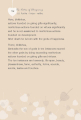
Here, bhikkhus,
a certain person has done meritorious actions
founded on giving gifts significantly, meritorious
actions founded on virtues signifi
ในข้อความนี้กล่าวถึงบุคคลที่ทำบุญและการให้ในชีวิตปัจจุบัน โดยเน้นการทำบุญที่เกิดจากการให้และคุณธรรมเขาไม่ได้ตื่นจากการทำบุญที่เกี่ยวข้องกับการพัฒนา หลังจากตายเขาจะเกิดในโลกของเทพเจ้า 33 พระเจ้าสักกะเห
102
The Nature of Abhisavings
102
The Vature of Abhisavings
10. Puņa - kiriya - vatthu
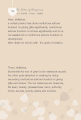
Here, bhikkhus,
actions founded on giving gifts significantly,
meritorious actions founded on virtues significantly
and he is not awakened to
ในเนื้อหานี้มีการอภิปรายเกี่ยวกับการกระทำที่เกิดจากการให้ของขวัญและคุณธรรมว่ามีความสำคัญต่อการเกิดใหม่ในสวรรค์และความสุขหลังความตาย โดยกล่าวถึง Santusita บุตรแห่งเทพที่มีความดีมากกว่าพระเจ้าอื่น ๆ ในส
104
The Venture of Absorbing
The Venture of Absorbing
10. Pūjā - Kiriya - vatthu
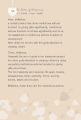
Here, bhikkhus,
a certain person has done meritorious actions
founded on giving gifts significantly, meritorious
actions founded on virtues signifi
In this text, we learn about a person who engages in meritorious actions through giving and moral virtues but lacks awakening through development. After death, such individuals are reborn among the go
106
The Vehicle of Abandoning and Meritorious Actions
The Vehicle of Abandoning
10. Pūrṇa - kiriya - vatthu
Here, bhikkhus,
a certain person has done meritorious actions founded on giving gifts significantly, meritorious actions founded on virtues signi
บทความนี้สำรวจความสำคัญของการกระทำที่มีบุญที่มีรากฐานมาจากการให้ของขวัญและคุณธรรม ตามคำสอนในพระพุทธศาสนา หลังจากความตาย บุคคลที่ทำการกระทำที่มีบุญจะเกิดขึ้นในภพที่ดีขึ้น โดยมีการพูดถึงการเติบโตในทางที
120
ทานบารมี: สูตรสำเร็จแห่งความสุข
ทานบารมี
สูตรสำเร็จแห่งความสุข
ISBN : 978-616-91637-3-2
เรียบเรียง : ศิริบุณโณ
ตรวจภาษางอังกฤษ : ดร.อภิราภรณ์ วาสกุล
ภาพประกอบ : WWW.DMC.TV
ออกแบบปก-เล่ม : คุณวิทยา สุทธิศรีโยธิน
พิมพ์คร
หนังสือ 'ทานบารมี: สูตรสำเร็จแห่งความสุข' ถูกเรียบเรียงโดย ศิริบุณโณ ซึ่งนำเสนอหลักธรรมในการทำทานและการสร้างความสุขในชีวิต โดยให้แนวทางปฏิบัติและข้อคิดที่ช่วยให้ผู้อ่านพัฒนาความดีต่อสังคมและตนเอง เนื้
10
นิทรรศการ วามลับของชีวิต The Secrets of Life Exhibition
นิทรรศการวิสตาร์
7-14 ธันวาคม พ.ศ. 2557
๙ อยู่ในบุญ พฤศจิกายน ๒๕๕๙
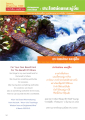
44
ประโยชน์ตนและผู้อื่น
นิทิสาร
Dhamma TIME
ประจำเดือน พฤศจิกายน
ค่ำสอนคุณยาย ภาษาอังกฤษ : ประโยชน์ตนและผู้อื่น
บทความภาษอังกฤษ สํานวนคำสอนจากหนังสือ : "คำสอนยาย" (จากหนังสือ : "คำสอนยาย")
ประโยชน์ตนและผู้อื่น
For Your Own
บทความนี้กล่าวถึงความสำคัญของการทำสิ่งที่มีค่าให้กับทั้งตัวเองและผู้อื่น โดยอ้างอิงจากคำสอนในหนังสือ 'คำสอนยาย' ซึ่งชี้ให้เห็นว่าชีวิตที่มีคุณค่าเกิดจากการทำสิ่งดีๆ ให้กับตนเองและคนรอบข้าง ทำให้ชีวิตม

46
การทำบุญและการออกแบบชีวิต
อยากมีบุญมาก ก็ทำบุญมาก
อยากมีบุญปานกลาง ก็ทำปานกลาง
อยากมีบุญน้อย ก็ทำน้อย
ไม่อยากมีบุญ ก็ไม่ต้องทำ
แล้วแต่เรา จะเลือกเอาแบบไหน... ได้ทั้งนั้น
เพราะเรา คือ
Designer of the Life
19 พฤษภ
บทความนี้เสนอความคิดเกี่ยวกับการทำบุญ โดยแบ่งออกเป็นหลายระดับที่ตรงตามความต้องการของแต่ละบุคคล ขึ้นอยู่กับว่าท่านต้องการมีบุญมาก หรือน้อย หรือไม่ทำเลยก็ได้ เนื้อหาสอนให้เราเป็นผู้เลือกสร้างชีวิตของตนเ