

Harmony Within the Family : หน้า 114/216
Family Day By Day : หน้า 114/216 Exploring family rituals in Southeast Asia that foster respect and moral values through nightly blessings from grandparents.
4 ครั้ง
สรุปเนื้อหา
ในเอเชียตะวันออกเฉียงใต้ ประเพณีการเคารพต่อคุณปู่ออกจากทางของครอบครัวสามารถช่วยสานสัมพันธ์และสอนเด็กเกี่ยวกับหลักธรรมและการกระทำที่ดีเด็กจะได้เรียนรู้จากคำสอนของผู้ใหญ่ เราจะเห็นได้ว่าครอบครัวที่มีความอบอุ่นและความรักจะมีความมั่นคง หากการสื่อสารหรือการให้ความสำคัญกับผู้สูงวัยไม่เพียงพอจะทำให้เกิดปัญหาในครอบครัว รวมทั้งอัตราการหย่าร้างที่เพิ่มขึ้น ในปัจจุบัน พิธีกรรมเหล่านี้มีแนวโน้มลดลง ส่งผลให้เกิดปัญหาในครอบครัวและผู้เฒ่าผู้แก่ถูกละเลย
หัวข้อประเด็น
-ครอบครัวในเอเชียตะวันออกเฉียงใต้
-ความสำคัญของการเคารพผู้สูงอายุ
-บทบาทของผู้สูงอายุในครอบครัว
-ผลกระทบของการไม่ปฏิบัติตามประเพณี
ข้อความต้นฉบับในหน้า
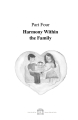
Part Four: Harmony Within the Family
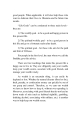
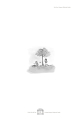
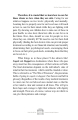
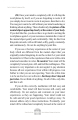
In Southeast Asia, it is routine that a family practices
this before going to sleep. Parents would bring their children
to pay respect to the grandparents every night. Then the
grandparents would summarize all the good deeds they had
done that day in a blessing for their grandchildren. In doing
so, the children would be instilled with morals and would
learn from their grandparents' virtues. Such acts transfer
good deeds and virtues to the children as they learn about
the Law of Kamma.
The elderly represent the heart of the whole family. If
their speech is not instilled with Dhamma, encouragement,
or caution, then it would seem as if the family's heart had
stopped functioning. At the same time, the family would not
be united and the family's warmth would gradually fall away
and come to an end.
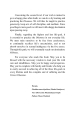
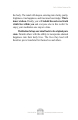
Children who understand the importance of a daily
blessing by the elderly will be well acquainted with paying
respect to parents and grandparents every night before bed.
Nowadays, however, this routine has departed from most
families; it has become a factor for family problems such as the
increasing rate of divorce, the neglect of elderly parents, etc. In
addition, some problems are caused by couples who separate
themselves from their extended family to live apart.
Family Day By Day
112 The Unconditional Love of Parents
หน้าหนังสือทั้งหมด
1

2
3
4
5
6
7
8
9
10
11
12
13
14
15
16
17
18
19
20
21
22
23
24
25
26
27
28
29
30
31
32
33
34
35
36
37
38
39
40
41
42
43
44
45
46
47
48
49
50
51
52
53
54
55
56
57
58
59
60
61
62
63
64
65
66
67
68
69
70
71
72
73
74
75
76
77
78
79
80
81
82
83
84
85
86
87
88
89

90
91
92
93
94
95
96
97
98
99
100
101
102
103
104
105
106
107
108
109
110
111
112
113
114
115
116
117
118
119
120
121
122
123
124
125
126
127
128
129
130
131
132
133
134
135
136
137
138
139
140
141
142
143
144
145
146
147
148
149
150
151
152
153
154
155
156
157
158
159
160
161
162
163
164
165
166
167
168
169
170
171
172
173
174
175
176
177
178
179
180
181
182
183
184
185
186
187
188
189
190
191
192
193
194
195
196
197
198
199
200
201
202
203
204
205
206
207
208
209
210
211
212
213

214

215
216
หนังสือที่เกี่ยวข้อง
Load More