

ภาวะเศรษฐกิจในปัจจุบัน : หน้า 59/163
The life and times of Luang Phaw Wat Paknam : หน้า 59/163 บทความเกี่ยวกับภาวะเศรษฐกิจในปัจจุบันของประเทศไทย
0 ครั้ง
สรุปเนื้อหา
บทความนี้วิเคราะห์ภาวะเศรษฐกิจในประเทศไทยในปัจจุบัน รวมถึงปัจจัยที่ส่งผลกระทบต่อเศรษฐกิจและแนวโน้มในอนาคต นอกจากนี้ยังกล่าวถึงนโยบายทางเศรษฐกิจและวิธีการที่จะกระตุ้นการเติบโตทางเศรษฐกิจในระดับต่างๆ ผ่านการส่งเสริมการลงทุนและการสร้างงาน
หัวข้อประเด็น
-ภาวะเศรษฐกิจไทย
-นโยบายทางการเงิน
-การลงทุนและการเติบโต
ข้อความต้นฉบับในหน้า
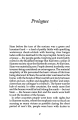
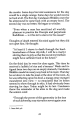
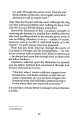
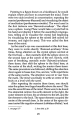
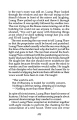
althoough the number of nuns in the temple grew steadily, there were never any scandals caused by the mixing of nuns and monks. Luang Phaw took close responsibility for everything that took place in the temple — both in public and behind closed doors.
Clean drinking water was plentiful in the temple because Luang Phaw had devised, with the help of Phra Rajamoli (Narong Thitano, late abbot of Wat Raja-orasaram) a water supply system from artesian wells.
Luang Phaw was proud of his achievements. Unlike the forest monk far from the prying eye of the public, everything at Wat Paknam was in the heart of the community and open to public inspection. He said:
'"A flower has its aroma for all to smell — there’s no need for me to add any perfume to make it smell better. A corpse doesn’t need me to add any putrescence to make its odour offensive — there’s no way to hide the smell."
In the same way at Wat Paknam, good or bad, the activities were all accountable to the public. Luang Phaw had nothing and nowhere to hide.
The ulterior motive for many contemporaneous monks in organizing temple activities was to attract promotion in rank according to the ladder of the royal monastic hierarchy. Luang Phaw showed no interest in such promotion. His numerous activities and devotion to the work of training monks, novices and laymen to be real exemplars of Buddhism was solely for the benefit of the future of the religion. Some of the promotion-orientated monks misunderstood Luang Phaw’s industrious projects. They saw the scores of young men coming to be ordained each year at Wat Paknam and
64
หน้าหนังสือทั้งหมด
1
2
3
4
5
6
7
8
9
10
11
12
13
14
15
16
17
18
19
20
21
22
23
24
25
26
27
28
29
30
31
32
33
34
35
36
37
38
39
40
41
42
43
44
45
46
47
48
49
50
51
52
53
54
55
56
57
58
59
60
61
62
63
64
65
66
67
68
69
70
71
72
73
74
75
76
77
78
79
80
81
82
83
84
85
86
87
88
89
90
91
92
93
94
95
96
97
98
99
100
101
102
103
104
105
106
107
108
109
110
111
112
113
114
115
116
117
118
119
120
121
122
123
124
125
126
127
128
129
130
131
132
133
134
135
136
137
138
139
140
141
142
143
144
145
146
147
148

149
150
151
152
153
154
155
156
157
158
159
160
161
162
163
หนังสือที่เกี่ยวข้อง
Load More