

Untitled Document : หน้า 27/163
The life and times of Luang Phaw Wat Paknam : หน้า 27/163 This document contains various topics related to different subjects, offering insights and knowledge.
1 ครั้ง
สรุปเนื้อหา
This document includes a variety of sections exploring different themes and subjects, aimed at providing readers with comprehensive insights. The topics covered range across multiple areas, offering a well-rounded perspective. It serves as an educational tool, contributing to a better understanding of the discussed themes. For more information, visit dmc.tv.
หัวข้อประเด็น
-various themes
-educational insights
-comprehensive knowledge
ข้อความต้นฉบับในหน้า
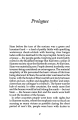
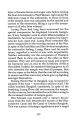
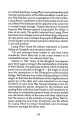
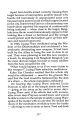
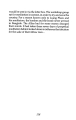
bundle of the Mahāsatipaṭṭhāna Sutta scriptures at Wat Songpinong with the intention that as soon as he was able to translate them fluently, he would discontinue his Pali studies in Bangkok and devote himself entirely to meditation.
He went to his mother for permission to proceed to the capital. She was far from enthusiastic, but he finally persuaded her. He asked her for the requisites for the trip, and resolved never to ask for such support from her again.1
At the end of the rains, once monks were free to travel again, Candasaro Bhikkhu left Wat Songpinong and enrolled at Wat Phra Chetupon (also known as Wat Bodhi) in Bangkok. There he continued his study of the monk’s discipline (Vinaya).
His younger brother Phook accompanied him to Bangkok too, to study and practice Buddhism. One night, in his fourth year as a bhikkhu, Candasaro had a vision. A shadowy man appeared and offered him a bowl of sand. He took a pinch. When his brother was offered some, the boy took two handfuls. A few days after the vision, Candasaro fell ill suddenly and was removed to another temple for treatment. Initially, his eighteen-year old brother tended Candasaro, but before long grew seriously ill himself. Candasaro soon recovered. As soon as his illness subsided, he took his brother hurriedly back to Songpinong for treatment. The boy did not recover and died soon afterwards.2 After the cremation Candasaro returned alone to Wat Phra Chetupon.
Moving to Wat Phra Chetupon meant Candasaro Bhikkhu had many difficulties distracting him from his studies. Sometimes there was insufficient food to feed all
1. from ibid. p.5
2. from ibid. p.5-6
หน้าหนังสือทั้งหมด
1
2
3
4
5
6
7
8
9
10
11
12
13
14
15
16
17
18
19
20
21
22
23
24
25
26
27
28
29
30
31
32
33
34
35
36
37
38
39
40
41
42
43
44
45
46
47
48
49
50
51
52
53
54
55
56
57
58
59
60
61
62
63
64
65
66
67
68
69
70
71
72
73
74
75
76
77
78
79
80
81
82
83
84
85
86
87
88
89
90
91
92
93
94
95
96
97
98
99
100
101
102
103
104
105
106
107
108
109
110
111
112
113
114
115
116
117
118
119
120
121
122
123
124
125
126
127
128
129
130
131
132
133
134
135
136
137
138
139
140
141
142
143
144
145
146
147
148
149
150
151
152
153
154
155
156
157
158
159
160
161
162
163
หนังสือที่เกี่ยวข้อง
Load More