

Untitled : หน้า 113/163
The life and times of Luang Phaw Wat Paknam : หน้า 113/163 No text provided for description.
3 ครั้ง
สรุปเนื้อหา
No content available for summary.
หัวข้อประเด็น
No topics identified.
ข้อความต้นฉบับในหน้า
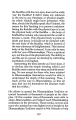
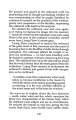
He paused and gazed at the ordinand with his penetrating eyes as though ascertaining whether he was concentrating on what he taught. Satisfied, he continued to preach on the qualities of the wisdom, purity and compassion of the Buddha, impressing the ordinand with depth of his analysis.
He studied the ordinand over and over again, as if trying to impress his image into his memory—however, whenever the ordinand's eyes met Luang Phaw's the eyes of the ordinand invariably darted away from Luang Phaw's intense gaze.
Luang Phaw continued to remind the ordinand of the great merit of this encounter and the merit of becoming heir to the Buddha's Noble Order through ordination. The ordinand shifted his weight to relieve his numbness—he had been kneeling with his hands in a gesture of prayer unmoving for a long time. The ordinand bore up to the discomfort, afraid that he would detract from the merit gained from the ordination. Luang Phaw seemed to understand the ordinand's distress and gazed at him with compassion, as he continued:
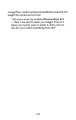
"A bhikkhu must first understand what meditation is, because meditation is the means by which the mind can be tamed, guarding against wandering. It is the way whereby stillness of the mind arises and is the basis for wisdom."
He went on to explain about the four elements—earth, water, wind and fire, which constitute the thirty-two characteristics of the human body which the ordinand must analyze and see as unwholesome. He reduced the formula to only five, giving the Pali words, kesa (hair), loma (bodily hair), nakha (skin),
Tags : #No keywords available.
หน้าหนังสือทั้งหมด
1
2
3
4
5
6
7
8
9
10
11
12
13
14
15
16
17
18
19
20
21
22
23
24
25
26
27
28
29
30
31
32
33
34
35
36
37
38
39
40
41
42
43
44
45
46
47
48
49
50
51
52
53
54
55
56
57
58
59
60
61
62
63
64
65
66
67
68
69
70
71
72
73
74
75
76
77
78
79
80
81
82
83
84
85
86
87
88
89
90
91
92
93
94
95
96
97
98
99
100
101
102
103
104
105
106
107
108
109
110
111
112
113
114
115
116
117
118
119
120
121
122
123
124
125
126
127
128
129
130
131
132
133
134
135
136
137
138
139
140
141
142
143
144
145
146
147
148
149
150
151
152
153
154
155
156
157
158
159
160
161
162
163
หนังสือที่เกี่ยวข้อง
Load More