

The Power of Mindfulness : หน้า 103/163
The life and times of Luang Phaw Wat Paknam : หน้า 103/163 Explore the benefits of practicing mindfulness in daily life, enhancing mental well-being and focus.
0 ครั้ง
สรุปเนื้อหา
Mindfulness is a practice that involves being fully present and engaged in the moment. This book delves into various techniques for cultivating mindfulness, discussing its profound effects on mental health, reducing stress, and improving overall focus. By incorporating mindfulness into daily routines, individuals can achieve a greater sense of peace, clarity, and emotional resilience. The text emphasizes practical exercises and theories backed by psychological research, offering readers a comprehensive understanding of how mindfulness can transform their lives. Additional resources can be found at dmc.tv.
หัวข้อประเด็น
-Benefits of mindfulness
-Types of mindfulness practices
-Impact on mental health
-Scientific research on mindfulness
-Practical applications in daily life
ข้อความต้นฉบับในหน้า
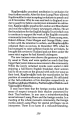
teaching they receive at the temple. If we reach
the truth and guide people in the right way, then
in the end skill in meditation will triumph over
slander. I am not upset by all this controversy
because Dhammakāya is the truth of Buddhism.
It is real. It will appear to all those who attain to
that level of conciousness. My conviction in the
veracity of Buddhism is unshakeable."
He quoted the Buddha’s Teaching to his disciple Vakkali:
"Yo kho Vakkali Dhammaṁ passati so maṁ passati"
[Vakkali, whoever sees Dhamma, sees mel.
He went on to give another of the Buddha’s dis-
courses to the novice Vāsetṭha: "Tathāgatassa h’etam
Vāsetṭhādi-vacanam Dhammakāyo iti pi ..." [O
Vāsetṭhas! The Word of Dhammakāya is indeed the
name of the Tathāgata].
The story of Vakkali concerns the novice’s attach-
ment to the beauty of the physical body of the Buddha.
The meaning of the quotation from the Aggañña Sutta
relates to the Nature of that which people experience
in meditation and gives the real meaning of the word
‘Tathāgata’. ‘Dhamma’ the absolute truth, is seen to
mean ‘the Dhamma inside’, the Dhammakāya or the
‘Body of Dhamma’:
"The one who sees Dhamma sees the Tathāgata.
This means that the Dhammakāya or the Body of
Dhamma is the real Tathāgata. The one who sees
the Dhamma, the Dhammakāya, in fact sees the
Buddha. The Real Buddha is the Dhammakāya,
not the physical body of the historical Buddha.
Why should Lord Buddha speak thus to Vakkali?
Even if a person looks upon the physical body of
หน้าหนังสือทั้งหมด
1
2
3
4
5
6
7
8
9
10
11
12
13
14
15
16
17
18
19
20
21
22
23
24
25
26
27
28
29
30
31
32
33
34
35
36
37
38
39
40
41
42
43
44

45
46
47
48
49
50
51
52
53
54
55
56
57
58
59
60
61
62
63
64
65
66
67
68
69
70
71
72
73
74
75
76
77
78
79
80
81
82
83
84
85
86
87
88
89
90
91
92
93
94
95
96
97
98
99
100
101
102
103
104

105
106
107
108
109
110

111
112
113
114
115
116
117
118
119
120
121
122
123
124

125
126
127
128
129
130

131
132
133
134
135
136
137
138
139
140
141
142
143
144
145
146
147
148
149
150
151
152
153
154
155
156
157
158
159
160
161
162
163
หนังสือที่เกี่ยวข้อง
Load More