

Untitled : หน้า 89/163
The life and times of Luang Phaw Wat Paknam : หน้า 89/163 No content provided for description.
0 ครั้ง
สรุปเนื้อหา
No content provided for summary.
หัวข้อประเด็น
-No topics provided.
ข้อความต้นฉบับในหน้า
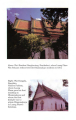
and monks. The left-hand room contained nuns and laywomen (upāsikā). Luang Phaw had a place at the front of the building, on the right-hand side next to the partition. Luang Phaw gave instructions for the meditation group through a slit in the wall allowing the upāsikā to hear his words without being able to see the speaker. Again, the entrances to the two sides of the room were separate.
Luang Phaw designated that this hall be used by meditators, for twenty-four hours-a-day, seven-days-a-week. The abbot selected only the most gifted of the meditators. Their 'brief' was to devote their lives to the investigation of the spiritual world that lies beyond the path to Dhammakāya. The workshop meditators gave up everything — even their own free-time. They had almost no time to sleep, especially Luang Phaw who had to keep up his public appearances for the general welfare of the temple.
During the War, Luang Phaw divided his gifted meditators into two shifts. They would take alternate turns at sitting for twelve hours of meditation each day, six hours at a time, from midnight to 6.00 a.m., 6.00 a.m. to noon, noon to 6.00 p.m. and 6.00 p.m. to midnight. After the War, Luang Phaw began to deploy three teams in six shifts — each shift of four hours’ duration. Each shift had its own leader — chosen by Luang Phaw for their discipline. When changing shifts, the incoming meditators would arrive half-an-hour early to ‘warm up’ their minds and benefit from the spiritual energy generated by the outgoing shift.
Luang Phaw’s advanced Dhamma teachings were suitable only for those disciples who had accumulated sufficient perfections over the course of many lifetimes. Such teachings were not suitable for everybody, be-
Tags : #No keywords provided.
หน้าหนังสือทั้งหมด
1
2
3
4
5
6
7
8
9
10
11
12
13
14
15
16
17
18
19
20
21
22
23
24
25
26
27
28
29
30
31
32
33
34
35
36
37
38
39
40
41
42
43
44
45
46
47
48
49
50
51
52
53
54
55
56
57
58
59
60
61
62
63
64
65
66
67
68
69
70
71
72
73
74
75
76
77
78
79
80
81
82
83
84
85
86
87
88
89
90
91
92
93
94
95
96
97
98
99
100
101
102
103
104
105
106
107
108
109
110
111
112
113
114
115
116
117
118
119
120
121
122
123
124
125
126
127
128
129
130
131
132
133
134
135
136
137
138
139
140
141
142
143
144
145
146
147
148
149
150
151
152
153
154
155
156
157
158
159
160
161
162
163
หนังสือที่เกี่ยวข้อง
Load More