

No Content Provided : หน้า 51/163
The life and times of Luang Phaw Wat Paknam : หน้า 51/163 No description available due to lack of content.
1 ครั้ง
สรุปเนื้อหา
No summary available as no text was provided.
หัวข้อประเด็น
N/A
ข้อความต้นฉบับในหน้า
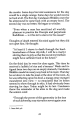
the changes, but Luang Phaw set the foundation for
the formal teaching of meditation to the monks. Luang Phaw
was very just. He was not biased, but at the same time his
decisions were clear cut and sagacious. He would never
go back on his word — the number of temple residents
in his care was growing and all had to keep within the
limits of their personal discipline or Precepts. It was
discipline he relied upon for harmony. Anyone who
broke the discipline or infringed the well-being of the
others would be warned. If they continued to break the
discipline, they would be punished. He said:
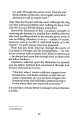
"Force has to be applied to improve peoples' vir-
tues. The mind is like water which always tends
to seek its own depth. Without effort, the mind's
virtue, like water, will fall to the lowest level
— that is the performance of evil deeds. If normal
people are to be able to develop their minds to the
level of the arahat, then effort needs to be made.
The mind has to be brought under control until it
comes to a standstill. Thus, to govern others, there
need to be rules. There needs to be something to
force people to become better. There need to be
penalties for breaking the rules."
If anyone in the temple broke the regulations or deported
themselves in an inappropriate manner, Luang Phaw
would warn them for the first offence. He would give
them a second warning if they continued to cause offence.
If they committed an offence for the third time he would
punish them. If they were novices, he would have the old
monk Phra Pleuang Chupaña cane them. Sometimes
he would punish them himself by having them sweep
the temple or cut firewood for the kitchen. If, after all of
this, the offender didn't improve he would expel them.
Tags : #N/A
หน้าหนังสือทั้งหมด
1
2
3
4
5
6
7
8
9
10
11
12
13
14
15
16
17
18
19
20
21
22
23
24
25
26
27
28
29
30
31
32
33
34
35
36
37
38
39
40
41
42
43
44
45
46
47
48
49
50
51
52
53
54
55
56
57
58
59
60
61
62
63
64
65
66
67
68
69
70
71
72
73
74
75
76
77
78
79
80
81
82
83
84
85
86
87
88
89
90
91
92
93
94
95
96
97
98
99
100
101
102
103
104
105
106
107
108
109
110
111
112
113
114
115
116
117
118
119
120
121
122
123
124
125
126
127
128
129
130
131
132
133
134
135
136
137
138
139
140
141
142
143
144
145
146
147
148
149
150
151
152
153
154
155
156
157
158
159
160
161
162
163
หนังสือที่เกี่ยวข้อง
Load More