

อำนาจของความคิด : หน้า 12/194
Second to None : หน้า 12/194 สำรวจอำนาจของความคิดและบทบาทในการสร้างสรรค์ชีวิตที่ดีขึ้น
0 ครั้ง
สรุปเนื้อหา
อำนาจของความคิดมีความมหาศาลในการกำหนดชีวิตของเรา ทุกความคิดล้วนมีผลต่อการกระทำและภูมิทัศน์ภายในจิตใจ การเข้าใจและใช้พลังของความคิดสามารถสร้างการเปลี่ยนแปลงในเชิงบวกในชีวิตเราได้ เราสามารถนำความคิดเหล่านี้ไปใช้ในการพัฒนาตนเองและสร้างชีวิตที่เป็นสุข โดยการเลือกใช้มุมมองที่สร้างสรรค์ สร้างแรงบันดาลใจ และตั้งเป้าหมายที่ชัดเจน เพื่อให้ชีวิตเต็มไปด้วยความหมายและเป้าหมายที่ชัดเจน
หัวข้อประเด็น
-อำนาจของความคิด
-การพัฒนาตนเอง
-การสร้างชีวิตที่ดีขึ้น
-แรงบันดาลใจ
-การตั้งเป้าหมาย
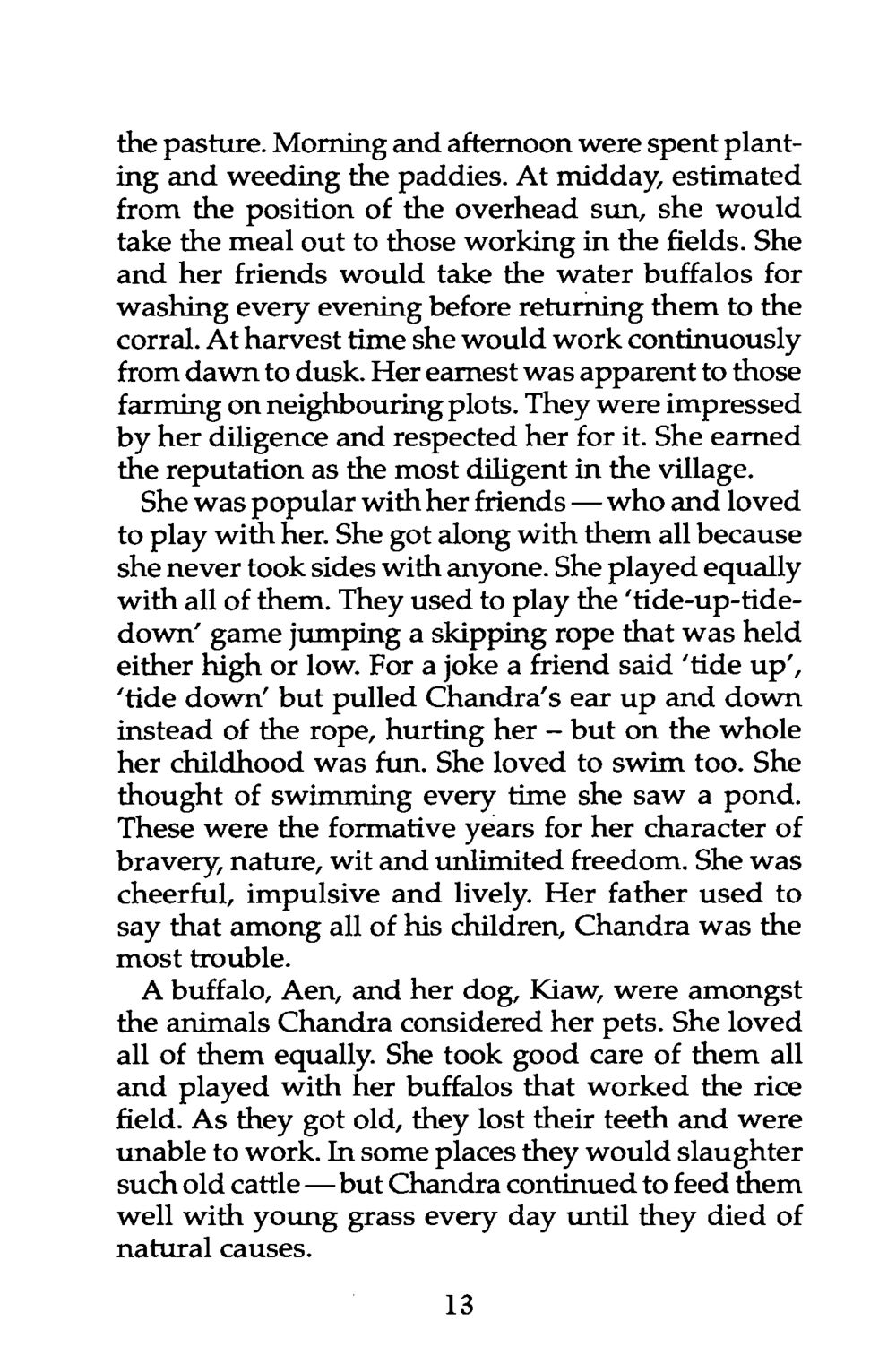
ข้อความต้นฉบับในหน้า
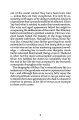
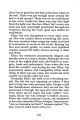
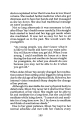
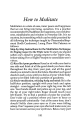
the pasture. Morning and afternoon were spent plant-
ing and weeding the paddies. At midday, estimated
from the position of the overhead sun, she would
take the meal out to those working in the fields. She
and her friends would take the water buffalos for
washing every evening before returning them to the
corral. At harvest time she would work continuously
from dawn to dusk. Her earnest was apparent to those
farming on neighbouring plots. They were impressed
by her diligence and respected her for it. She earned
the reputation as the most diligent in the village.
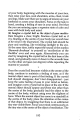
She was popular with her friends — who and loved
to play with her. She got along with them all because
she never took sides with anyone. She played equally
with all of them. They used to play the ‘tide-up-tide-
down’ game jumping a skipping rope that was held
either high or low. For a joke a friend said ‘tide up’,
‘tide down’ but pulled Chandra’s ear up and down
instead of the rope, hurting her — but on the whole
her childhood was fun. She loved to swim too. She
thought of swimming every time she saw a pond.
These were the formative years for her character of
bravery, nature, wit and unlimited freedom. She was
cheerful, impulsive and lively. Her father used to
say that among all of his children, Chandra was the
most trouble.
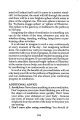
A buffalo, Aen, and her dog, Kiaw, were amongst
the animals Chandra considered her pets. She loved
all of them equally. She took good care of them all
and played with her buffalos that worked the rice
field. As they got old, they lost their teeth and were
unable to work. In some places they would slaughter
such old cattle—but Chandra continued to feed them
well with young grass every day until they died of
natural causes.
Tags : #ความคิด #อำนาจ #ชีวิต #สร้างสรรค์ #พัฒนาตนเอง
หน้าหนังสือทั้งหมด

1
2
3

4
5
6
7
8
9
10
11
12
13
14
15
16
17
18

19
20
21
22
23
24
25
26
27
28

29
30
31
32
33
34

35
36
37
38
39
40
41
42
43
44
45
46
47
48
49
50
51
52
53
54
55
56
57
58
59
60
61
62
63
64
65
66
67
68
69
70
71
72
73
74
75
76
77
78

79
80
81
82
83
84
85
86
87
88
89
90
91
92
93
94
95
96
97
98
99
100
101
102
103
104
105
106
107
108
109
110
111
112
113
114
115
116
117
118
119
120
121
122
123
124
125
126
127
128
129
130
131
132
133
134
135
136
137
138
139
140
141
142
143
144
145
146
147
148
149
150
151
152

153
154
155
156
157
158
159
160
161
162
163
164
165
166
167
168
169
170
171
172
173
174
175

176
177
178

179
180
181
182
183
184
185

186

187
188

189

190
191
192

193

194
หนังสือที่เกี่ยวข้อง
Load More