

Untitled : หน้า 135/194
Second to None : หน้า 135/194 No content provided to generate a title or description.
0 ครั้ง
สรุปเนื้อหา
No content available for summary.
หัวข้อประเด็น
N/A
ข้อความต้นฉบับในหน้า
upon the gifts they have donated. Otherwise, we
will be in debt to them in future lifetimes."
A temple can only exist because of donations. Every
penny counts. Contributors had worked their fin-
gers to the bone in order to earn funds to donate to
the temple - all out of the wish that the donation
earn merit to improve their lot in life. They made
their wishes over and over expecting that the tem-
ple would spend it in a way that would bring the
maximum benefit. This is why temple staff needed
to be especially responsible with requisites given
out of faith.
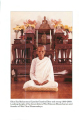
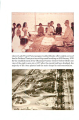
Khun Yay was often to be seen in front of Yāma
dining room sitting teaching groups of laymen at
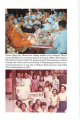
her feet. Generally, there were three types of visi-
tors who came to see Khun Yay. The first group was
those who came to ask for spiritual help. The second
group were those who came to thank Khun Yay for
helping them successfully. The third were followers
who visited her regularly. These latter came with of-
ferings or simply came to greet Khun Yay. Many of
these followers just loved to sit in the room listening
to her giving guidance to others.
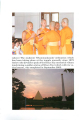
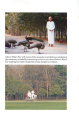
Generally, Khun Yay met her visitors every Sun-
day afternoon at Yāma building and sometimes
at lunchtimes on regular days too. Visitors would
meditate with her in Tusitā Assembly Hall before
the fish release ceremony on every third Saturday
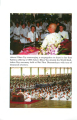
of the month. Visitors were from every walk of life
and ranged from parents with toddlers to the aged
in wheelchairs. Khun Yay could find a way of fitting
in with all of them. Khun Yay welcomed everyone
and talked to them with kindness regardless of their
social status, gender or age. Her spiritual guidance was
Tags : #N/A
หน้าหนังสือทั้งหมด
1
2
3
4
5
6
7
8
9
10
11
12
13
14
15
16
17
18
19
20
21
22
23
24
25
26
27
28
29
30
31
32
33
34
35
36
37
38
39
40
41
42
43
44
45
46
47
48
49
50
51
52
53
54
55
56
57
58
59
60
61
62
63
64
65
66
67
68
69
70
71
72
73
74
75
76
77
78
79
80
81
82
83
84
85
86
87
88
89
90
91
92
93
94
95
96
97
98
99
100
101
102
103
104
105
106
107
108
109
110
111
112
113
114
115
116
117
118
119
120
121
122
123
124
125
126
127
128
129
130
131
132
133
134
135
136
137
138
139
140
141
142
143
144
145
146
147
148
149
150
151
152
153
154
155
156
157
158
159
160
161
162
163
164
165
166
167
168
169
170
171
172
173
174
175
176
177
178
179
180
181
182
183
184
185
186
187
188

189
190
191
192

193
194
หนังสือที่เกี่ยวข้อง
Load More