

ตำนานการเดินทางของมนุษย์ : หน้า 104/194
Second to None : หน้า 104/194 สำรวจตำนานและการเดินทางของมนุษย์ตั้งแต่อดีตจนถึงปัจจุบัน
1 ครั้ง
สรุปเนื้อหา
บทความนี้สำรวจถึงการเดินทางของมนุษย์ตั้งแต่ยุคโบราณ โดยเน้นถึงตำนานที่มีชื่อเสียงและการสำรวจเชิงวัฒนธรรม การเดินทางสร้างประสบการณ์และความรู้ใหม่ที่เป็นประโยชน์ในยุคปัจจุบัน นอกจากนี้ยังพูดถึงการเดินทางทางอารยธรรมที่มีอิทธิพลต่อการพัฒนาของมนุษยชาติ โดยอ้างอิงจากเหตุการณ์สำคัญในประวัติศาสตร์ เช่น การค้นพบทวีปใหม่ การเดินทางทางทะเล และการรบที่เปลี่ยนแปลงโลก รวมถึงความสัมพันธ์ระหว่างวัฒนธรรมต่าง ๆ ที่เกิดขึ้นจากการแลกเปลี่ยนและการเดินทางนี้ ดูข้อมูลเพิ่มเติมได้ที่ dmc.tv
หัวข้อประเด็น
-การเดินทางในประวัติศาสตร์
-ตำนานการสำรวจ
-วัฒนธรรมและการแลกเปลี่ยน
-ผลกระทบของการเดินทางต่อมนุษยชาติ
ข้อความต้นฉบับในหน้า
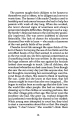
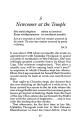
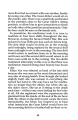
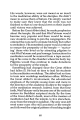
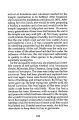
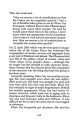
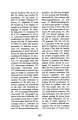
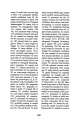
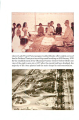
When the land was transferred to them, Khun Yai invited the entire Dhammaprasit group to see the place for the first time - because many had contributed funds to buy the land without ever having seen it. When they caught sight of the plot of land which was barren paddy fields across the whole of its extent as far as the eye could see, many couldn't imagine how it could ever be transformed into a huge temple.
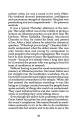
The level of the land in the paddy fields was three metres lower than it needed to be. Thus the pioneers needed to dig out the canal bed and to raise the level of the ground as 'islands' above the level of the water in the paddy-fields. The islands needed to be at least six metres wide and needed containment piles to give them the required shape. A dredger with volunteers from the Irrigation Ministry was used for this work. It would dig down for three-and-a-half metres and the soil dredged would be heaped-up to form new islands. The canals already in existence needed to be filled in.
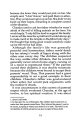
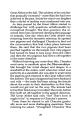
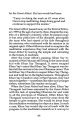
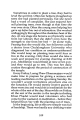
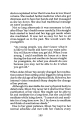
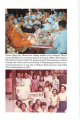
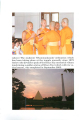
Having dug out the canals in the eighty-acre area, Ven. Dhammajayo invited all the supporters of Dhammaprasit House to take a tour round the eighty acre site in the Irrigation Ministry barge. Once the supporters saw the plans of the temple falling into place, everyone got together to contribute the funds necessary for building the first kutis on the site.
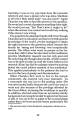
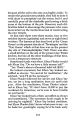
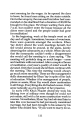
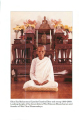
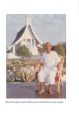
At the time when the temple was being established, Khun Yai wasn’t yet resident there. However, when she visited, her daily routine at the temple would be quite regular. She would rise at about 3.00 a.m. to sit for meditation to facilitate the
หน้าหนังสือทั้งหมด
1
2
3

4
5
6
7
8
9
10
11
12
13
14
15
16
17
18

19
20
21
22
23
24
25
26
27
28

29
30
31
32
33
34

35
36
37
38
39
40
41
42
43
44
45
46
47
48
49
50
51
52
53
54
55
56
57
58
59
60
61
62
63
64
65
66
67
68
69
70
71
72
73
74
75
76
77
78

79
80
81
82
83
84
85
86
87
88
89
90
91
92
93
94
95
96
97
98
99
100
101
102
103
104
105
106
107
108
109
110
111
112
113
114
115
116
117
118
119
120
121
122
123
124
125
126
127
128
129
130
131
132
133
134
135
136
137
138
139
140
141
142
143
144
145
146
147
148
149
150
151
152
153
154
155
156
157
158
159
160
161
162
163
164
165
166
167
168
169
170
171
172
173
174
175
176
177
178
179
180
181
182
183
184
185
186
187
188
189
190
191
192

193
194
หนังสือที่เกี่ยวข้อง
Load More