

OCR Text Extraction : หน้า 47/194
Second to None : หน้า 47/194 Analyze and extract text from images using OCR technology seamlessly.
0 ครั้ง
สรุปเนื้อหา
OCR (Optical Character Recognition) technology offers a powerful solution for translating images of text into machine-encoded text. This process is widely used in various applications, such as digitizing printed documents, automating data entry, and enabling text-based searches in images. The advancements in machine learning algorithms have significantly improved the accuracy of OCR, making it more reliable for various languages and fonts. Users can benefit from integrating OCR into their systems for enhanced productivity and information management. More information can be found at dmc.tv.
หัวข้อประเด็น
-Introduction to OCR
-How OCR Works
-Applications of OCR
-Advantages of OCR
-Future of OCR and Machine Learning
ข้อความต้นฉบับในหน้า
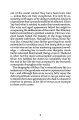
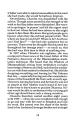
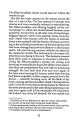
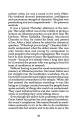
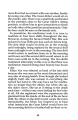
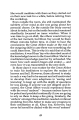
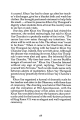
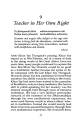
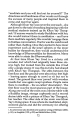
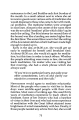
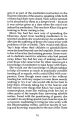
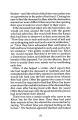
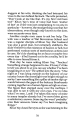
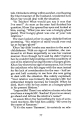
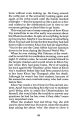
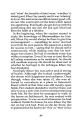
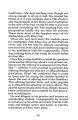
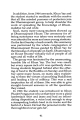
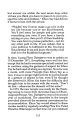
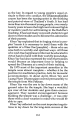
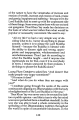
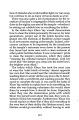
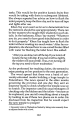
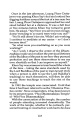
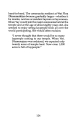
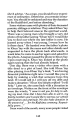
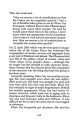
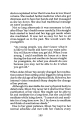
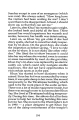
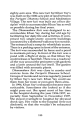
nuns thus had no contact with one another, hardly knowing one other. The Great Abbot would sit on the monks’ side. There was a small hole perforated in the partition close to the Great Abbot’s sitting position, to allow him to give instructions to those on both sides of the partition simultaneously. Only his face could be seen on the female side.
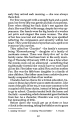
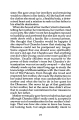
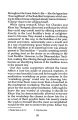
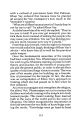
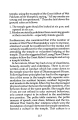
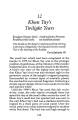
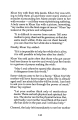
In peacetime, the meditators took it in turn to meditate in four hour shifts throughout the day. However, during the Second World War, this was reduced to four shifts per day, each six hours long. The first shift would sit from six in the evening until midnight, being replaced by the second shift from midnight to six in the morning. The first shift would return to meditate from six in the morning until noon and the second shift would return to sit from noon until six in the evening. The two shifts meditated alternately in this way so that there was meditation research being done twenty-four hours a day.
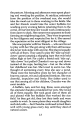
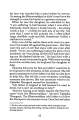
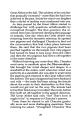
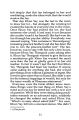
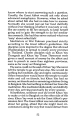
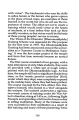
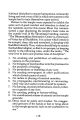
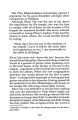
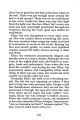
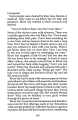
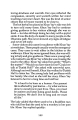
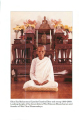
Khun Yay was selected as head of the late shift because she was seen as the most determined and was also of strong health. Even though she looked slightly built, she was earnest in everything she turned her hand to. She may have sat for meditation no longer than the others, but when she sat, she didn’t move. She sat as if sitting to the death each time - without any more feeling for her body at all. All she registered were the experiences she plumbed from the inside. At the end of the six hour shift, the others in the shift would vacate the room immediately, but Khun Yay lingered on to hear what instruction the Great Abbot would have for the incoming shift for a further half-an-hour or so.
หน้าหนังสือทั้งหมด
1
2
3

4
5
6
7
8
9
10
11
12
13
14
15
16
17
18

19
20
21
22
23
24
25
26
27
28

29
30
31
32
33
34

35
36
37
38
39
40
41
42
43
44
45
46
47
48
49
50
51
52
53
54
55
56
57
58
59
60
61
62
63
64
65
66
67
68
69
70
71
72
73
74
75
76
77
78

79
80
81
82
83
84
85
86
87
88
89
90
91
92
93
94
95
96
97
98
99
100
101
102
103
104
105
106
107
108
109
110
111
112
113
114
115
116
117
118
119
120
121
122
123
124
125
126
127
128
129
130
131
132
133
134
135
136
137
138
139
140
141
142
143
144
145
146
147
148
149
150
151
152
153
154
155
156
157
158
159
160
161
162
163
164
165
166
167
168
169
170
171
172
173
174
175
176
177
178
179
180
181
182
183
184
185
186
187
188
189
190
191
192
193
194
หนังสือที่เกี่ยวข้อง
Load More