

Untitled : หน้า 43/194
Second to None : หน้า 43/194 No content was provided to generate SEO details.
1 ครั้ง
สรุปเนื้อหา
No summary available as there is no content.
ข้อความต้นฉบับในหน้า
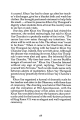
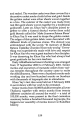
it. When the meditators used them for research at night, because the platforms were of the minimum size, they forced the meditators to sit bolt upright, because if one leaned even slightly to either side, one would touch the mosquito net and would be bitten instantly. The upright sitting-posture Chandra acquired in her years of night-time research, was to stay with her even until her old age.
To qualify for such work, the meditator had to bring their mind so firmly to a standstill that their mind would break free of their physical body, unifying instead with the body of enlightenment — letting go of external knowledge to become immersed in internal knowledge for as long as the research session lasted. Thus, those able to do such research had to have a mind of the utmost purity and power. They had to have a faculty of seeing and knowing that was inordinately precise allowing then to understand in depth the nature of life and the world.
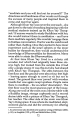
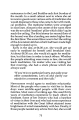
Chandra had never had the wish to settle down and have a family like her contemporaries. Although she couldn’t become a monk, still she wanted to make the utmost devotion to Buddhism possible for her, and become a nun taking vows of celibacy. Once Chandra had come to the end of her month of leave — when all things being equal she would have to go back to her domestic duties — she made up her mind never to return. She divulged her intention to Upāsika Thongsuk, saying, “You know? I’m not going back.”
Upāsika Thongsuk said, “I was thinking the same. Let’s ordain as nuns instead.”
“And how are we going to afford that?”
Page 44
Tags : #No keywords available
หน้าหนังสือทั้งหมด
1
2
3
4
5
6
7
8
9
10
11
12
13
14
15
16
17
18
19
20
21
22
23
24
25
26
27
28
29
30
31
32
33
34
35
36
37
38
39
40
41
42
43
44
45
46
47
48
49
50
51
52
53
54
55
56
57
58
59
60
61
62
63
64
65
66
67
68
69
70
71
72
73
74
75
76
77
78
79
80
81
82
83
84
85
86
87
88
89
90
91
92
93
94
95
96
97
98
99
100
101
102
103
104
105
106
107
108
109
110
111
112
113
114
115
116
117
118
119
120
121
122
123
124
125
126
127
128
129
130
131
132
133
134
135
136
137
138
139
140
141
142
143
144
145
146
147
148
149
150
151
152
153
154
155
156
157
158
159
160
161
162
163
164
165
166
167
168
169
170
171
172
173
174
175
176
177
178
179
180
181
182
183
184
185
186
187
188
189
190
191
192
193
194
หนังสือที่เกี่ยวข้อง
Load More