

เขียนความสำเร็จในชีวิต : หน้า 28/194
Second to None : หน้า 28/194 เรียนรู้วิธีการตั้งเป้าหมายและพัฒนาตนเองให้ประสบความสำเร็จในชีวิต
0 ครั้ง
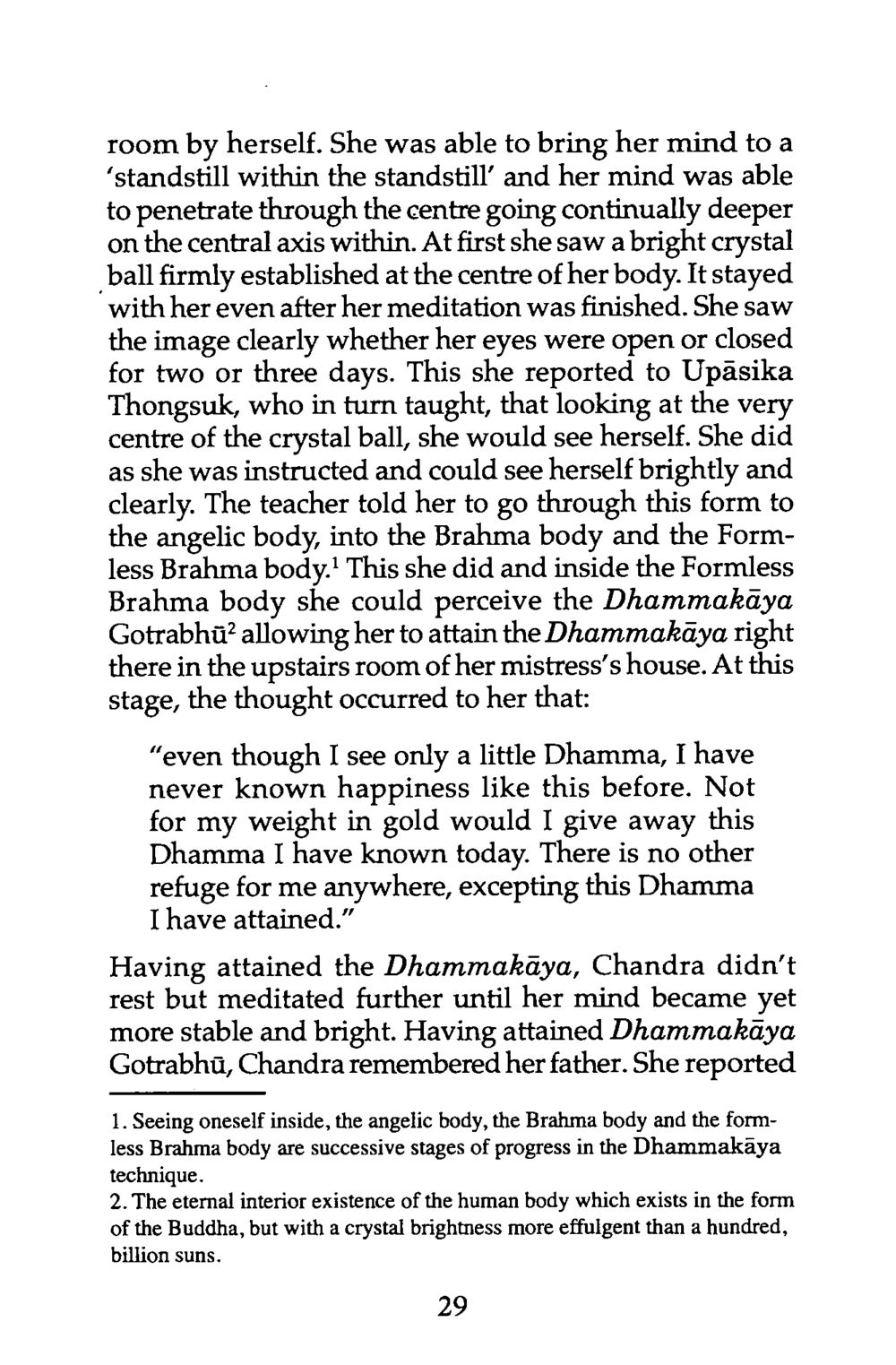
สรุปเนื้อหา
ในหนังสือเล่มนี้ ได้พูดถึงวิธีการตั้งเป้าหมายเพื่อให้ได้มาซึ่งความสำเร็จในชีวิต โดยมีการแบ่งเนื้อหาออกเป็นหลายบทที่เกี่ยวข้องกับการสร้างนิสัยการทำงาน การบริหารเวลา และการมองปัญหาให้ออก พร้อมทั้งแนวทางในการพัฒนาตนเองให้เป็นคนที่ดีกว่าเดิม นอกจากนี้ยังมีตัวอย่างจากชีวิตจริงของบุคคลที่ประสบความสำเร็จ เพื่อให้ผู้อ่านได้รับแรงบันดาลใจในการดำเนินชีวิตของตนเอง ผ่านการปรับปรุงและพัฒนาตนให้ดียิ่งขึ้น รวมถึงวิธีสู่การมีความสุขและความสำเร็จในสายอาชีพ
หัวข้อประเด็น
-การตั้งเป้าหมาย
-การพัฒนาตนเอง
-การบริหารเวลา
-ความสำเร็จในชีวิต
ข้อความต้นฉบับในหน้า
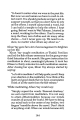
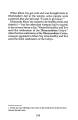
room by herself. She was able to bring her mind to a
‘standstill within the standstill’ and her mind was able
to penetrate through the centre going centrally deeper
on the central axis within. At first she saw a bright crystal
ball firmly established at the centre of her body. It stayed
with her even after her meditation was finished. She saw
the image clearly whether her eyes were open or closed
for two or three days. This she reported to Upāsika
Thongsuk, who in turn taught, that looking at the very
centre of the crystal ball, she would see herself. She did
as she was instructed and could see herself brightly and
clearly. The teacher told her to go through this form to
the angelic body, into the Brahma body and the Form-
less Brahma body.1 This she did and inside the Formless
Brahma body she could perceive the Dhammakāya
Gotabhū2 allowing her to attain the Dhammakāya right
there in the upstairs room of her mistress’s house. At this
stage, the thought occurred to her that:
“even though I see only a little Dhamma, I have
never known happiness like this before. Not
for my weight in gold would I give away this
Dhamma I have known today. There is no other
refuge for me anywhere, excepting this Dhamma
I have attained.”
Having attained the Dhammakāya, Chandra didn’t
rest but meditated further until her mind became yet
more stable and bright. Having attained Dhammakāya
Gotabhū, Chandra remembered her father. She reported
1. Seeing oneself inside, the angelic body, the Brahma body and the form-
less Brahma body are successive stages of progress in the Dhammakāya
technique.
2. The eternal interior existence of the human body which exists in the form
of the Buddha, but with a crystal brightness more effulgent than a hundred,
billion suns.
หน้าหนังสือทั้งหมด
1
2
3

4
5
6
7
8
9
10
11
12
13
14
15
16
17
18

19
20
21
22
23
24
25
26
27
28

29
30
31
32
33
34

35
36
37
38
39
40
41
42
43
44
45
46
47
48
49
50
51
52
53
54
55
56
57
58
59
60
61
62
63
64
65
66
67
68
69
70
71
72
73
74
75
76
77
78

79
80
81
82
83
84
85
86
87
88
89
90
91
92
93
94
95
96
97
98
99
100
101
102
103
104
105
106
107
108
109
110
111
112
113
114
115
116
117
118
119
120
121
122
123
124
125
126
127
128
129
130
131
132
133
134
135
136
137
138
139
140
141
142
143
144
145
146
147
148
149
150
151
152
153
154
155
156
157
158
159
160
161
162
163
164
165
166
167
168
169
170
171
172
173
174
175
176
177
178
179
180
181
182
183
184
185
186
187
188
189
190
191
192

193
194
หนังสือที่เกี่ยวข้อง
Load More