

OCR Text Extraction Guide : หน้า 105/194
Second to None : หน้า 105/194 Learn how to effectively extract text from images using OCR technology for better data handling.
1 ครั้ง
สรุปเนื้อหา
In this guide, we explore the process of Optical Character Recognition (OCR) and its applications in extracting text from images. OCR technology enables the conversion of different types of documents, such as scanned paper documents, PDFs, and images captured by a digital camera, into editable and searchable data. This technology has revolutionized the way organizations process and manage documents, as it greatly increases efficiency and accuracy. Discover the various OCR tools available, best practices for implementation, and how to optimize results for your specific needs. Learn about the common challenges faced during OCR text extraction and how to overcome them. For more insights on data handling and OCR applications, visit dmc.tv.
หัวข้อประเด็น
-Introduction to OCR
-How OCR Works
-Applications of OCR
-Best OCR Tools
-Challenges in OCR
-Optimizing OCR Results
ข้อความต้นฉบับในหน้า
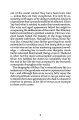
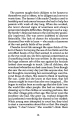
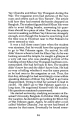
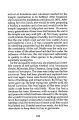
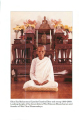
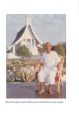
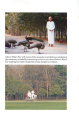
arrival of donations and volunteers needed for the temple construction to be fulfilled. After breakfast, she would sit for meditation until about 11.00H.. After taking her own lunch, she would be seen preparing a bucket, a machete and a hoe and would invite the temple laypeople to help plant out trees. However, many generations of trees were lost because the soil at the temple was very acid [pH = 4]. Not many species could tolerate that degree of acidity, but it turned out that the one which could survive was wattle [Acacia auriculiformis Cunn.]. It was a pioneer species and its nitrifying properties had the ability to transform the consistency of the soil. Wattle was the only survivor when all the other trees had died but under the influence of this tree, the soil improved sufficiently in quality to allow other species to be planted too, especially eucalyptus. As the soil quality improved, she planted an incredible variety of tree species whether it be Annonaceae shrubs, Mimusops, Rose Chestnut, ilang-ilang, Apocynaceae or Pterocarpus. The trees seen today are the few survivors. Trees had been planted and replaced over and over again. Some were buried during constructions of buildings and infrastructures. But Khun Yay never gave up, she kept trying new species until she found survivors. She was happy all the trees could make a safe home for wild birds. Khun Yay had a fondness for trees. However, with so many chickens and peacocks which had been released in the temple, she wouldn’t trust anyone to leave saplings at ground level, but instead constructed a hammock where the saplings could be stored out of reach until they could be planted out. If useful trees bore seeds, she told her attendants to keep them for her to germinate.
หน้าหนังสือทั้งหมด
1
2
3

4
5
6
7
8
9
10
11
12
13
14
15
16
17
18

19
20
21
22
23
24
25
26
27
28

29
30
31
32
33
34

35
36
37
38
39
40
41
42
43
44
45
46
47
48
49
50
51
52
53
54
55
56
57
58
59
60
61
62
63
64
65
66
67
68
69
70
71
72
73
74
75
76
77
78

79
80
81
82
83
84
85
86
87
88
89
90
91
92
93
94
95
96
97
98
99
100
101
102
103
104
105
106
107
108
109
110
111
112
113
114
115
116
117
118
119
120
121
122
123
124
125
126
127
128
129
130
131
132
133
134
135
136
137
138
139
140
141
142
143
144
145
146
147
148
149
150
151
152
153
154
155
156
157
158
159
160
161
162
163
164
165
166
167
168
169
170
171
172
173
174
175
176
177
178
179
180
181
182
183
184
185
186
187
188
189
190
191
192

193
194
หนังสือที่เกี่ยวข้อง
Load More