

Untitled Document : หน้า 64/194
Second to None : หน้า 64/194 This text appears to be a placeholder with no particular context.
2 ครั้ง
สรุปเนื้อหา
This document contains no specific information or content to summarize.
หัวข้อประเด็น
-no information provided
ข้อความต้นฉบับในหน้า
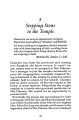
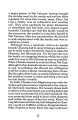
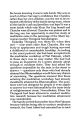
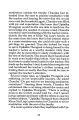
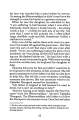
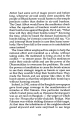
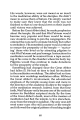
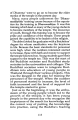
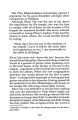
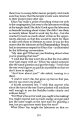
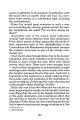
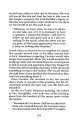
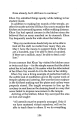
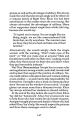
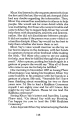
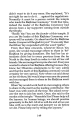
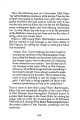
His words, however, were not meant as an insult to the meditation ability of his disciples. He didn’t mean to accuse them of failure. He simply wanted to make sure they knew that the work was not finished so that no one should rest on their laurels until victory was achieved.
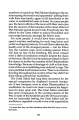
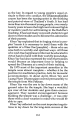
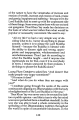
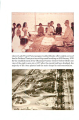
Before the Great Abbot died, he made prophecies about the temple. He said that Wat Paknam would become very popular and there would be many new students coming to join the congregation. He ordered the nuns not to cremate his body but rather to embalm it. His entombed corpse would continue to ensure the prosperity of the temple — ‘nurtur-ing’ those who lived on by attracting pilgrims to visit Wat Paknam and pay homage. Instructions for meditation would be received from a tape record-ing of his voice in the chamber where his body lay. Pilgrims would thus continue to make donations for the prosperity of the temple.
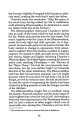
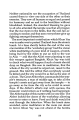
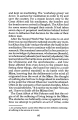
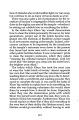
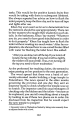
Something had changed since the Great Abbot had fallen ill. He had no time to lead his students in the meditation workshop. The abbot had no time to train new workshop meditators either. Without the Great Abbot’s involvement, the educational emphasis of the temple swung more and more in the direction of the academic studies to the neglect of the meditation research. Indeed, from that time forth, Wat Paknam verily became one of the national centres for Buddhist scriptural study. By the time of the Great Abbot’s death, most of the masters of meditation had fled the temple, to live elsewhere, away from the temple in isolation. The only ones left were some nuns who still practised at the temple and followed the original pattern of teaching taught
Tags : #sample #placeholder #text
หน้าหนังสือทั้งหมด
1
2
3
4
5
6
7
8
9
10
11
12
13
14
15
16
17
18
19
20
21
22
23
24
25
26
27
28
29
30
31
32
33
34
35
36
37
38
39
40
41
42
43
44
45
46
47
48
49
50
51
52
53
54
55
56
57
58
59
60
61
62
63
64
65
66
67
68
69
70
71
72
73
74
75
76
77
78
79
80
81
82
83
84
85
86
87
88
89
90
91
92
93
94
95
96
97
98
99
100
101
102
103
104
105
106
107
108
109
110
111
112
113
114
115
116
117
118
119
120
121
122
123
124
125
126
127
128
129
130
131
132
133
134
135
136
137
138
139
140
141
142
143
144
145
146
147
148
149
150
151
152
153
154
155
156
157
158
159
160
161
162
163
164
165
166
167
168
169
170
171
172
173
174
175
176
177
178
179
180
181
182
183
184
185
186
187
188
189
190
191
192

193
194
หนังสือที่เกี่ยวข้อง
Load More