

The Power of Mindfulness : หน้า 26/194
Second to None : หน้า 26/194 Exploring the transformative effects of mindfulness on mental well-being and daily life.
0 ครั้ง
สรุปเนื้อหา
This text delves into the significance of mindfulness in enhancing mental health and overall quality of life. It details various mindfulness techniques, their origins, and how they can be integrated into daily routines. Mindfulness practices such as meditation are examined for their effectiveness in reducing stress, increasing self-awareness, and promoting emotional resilience. Through personal anecdotes and scientific studies, the text illustrates the profound impact mindfulness can have on individuals seeking to improve their mental state. For more insights and resources on mindfulness, visit dmc.tv.
หัวข้อประเด็น
- importance of mindfulness
- techniques for mindfulness
- benefits of meditation
- mindfulness in daily life
- scientific studies on mindfulness
ข้อความต้นฉบับในหน้า
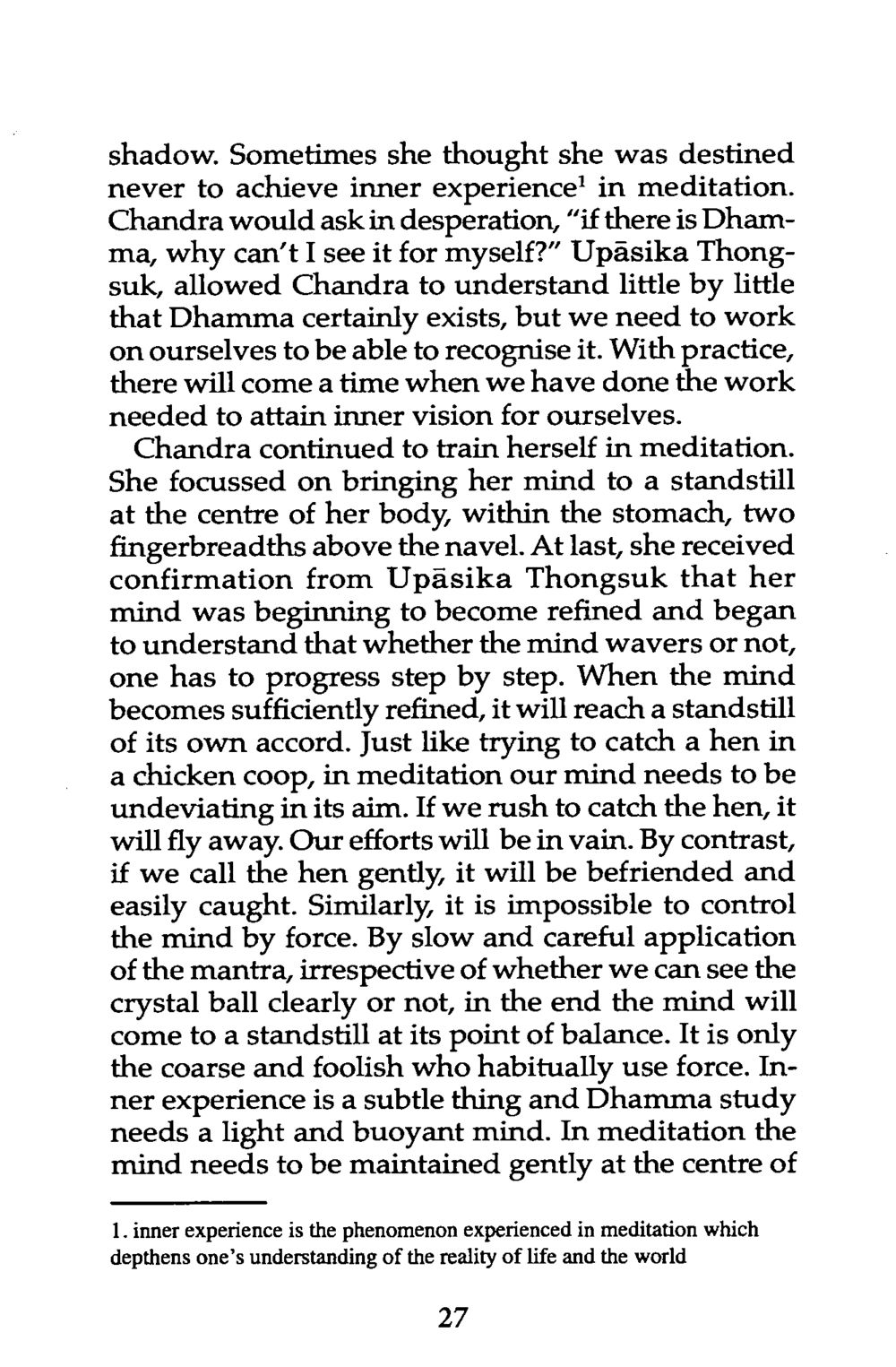
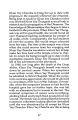
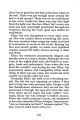
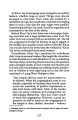
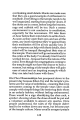
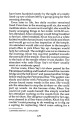
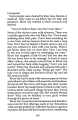
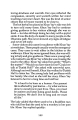
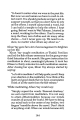
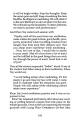
shadow. Sometimes she thought she was destined never to achieve inner experience¹ in meditation. Chandra would ask in desperation, “if there is Dhamma, why can't I see it for myself?” Upāsika Thongsuk, allowed Chandra to understand little by little that Dhamma certainly exists, but we need to work on ourselves to be able to recognise it. With practice, there will come a time when we have done the work needed to attain inner vision for ourselves.
Chandra continued to train herself in meditation. She focussed on bringing her mind to a standstill at the centre of her body, within the stomach, two fingerbreadths above the navel. At last, she received confirmation from Upāsika Thongsuk that her mind was beginning to become refined and began to understand that whether the mind wavers or not, one has to progress step by step. When the mind becomes sufficiently refined, it will reach a standstill of its own accord. Just like trying to catch a hen in a chicken coop, in meditation our mind needs to be undeviating in its aim. If we rush to catch the hen, it will fly away. Our efforts will be in vain. By contrast, if we call the hen gently, it will be befriended and easily caught. Similarly, it is impossible to control the mind by force. By slow and careful application of the mantra, irrespective of whether we can see the crystal ball clearly or not, in the end the mind will come to a standstill at its point of balance. It is only the coarse and foolish who habitually use force. Inner experience is a subtle thing and Dhamma study needs a light and buoyant mind. In meditation the mind needs to be maintained gently at the centre of
¹. inner experience is the phenomenon experienced in meditation which depths one's understanding of the reality of life and the world
หน้าหนังสือทั้งหมด

1

2
3

4
5
6
7
8
9
10
11
12
13
14
15
16
17
18

19
20
21
22
23
24
25
26
27
28

29
30
31
32
33
34

35
36
37
38
39
40
41
42
43
44
45
46
47
48
49
50
51
52
53
54
55
56
57
58
59
60
61
62
63
64
65
66
67
68
69
70
71
72
73
74
75
76
77
78

79
80
81
82
83
84
85
86
87
88
89
90
91
92
93
94
95
96
97
98
99
100
101
102
103
104
105
106
107
108
109
110
111
112
113
114
115
116
117
118
119
120
121
122
123
124
125
126
127
128
129
130
131
132
133
134
135
136
137
138
139
140
141
142
143
144
145
146
147
148
149
150
151
152

153
154
155
156
157
158
159
160
161
162
163
164
165
166
167
168
169
170
171
172
173
174
175

176
177
178

179
180
181
182
183
184
185

186

187

188

189

190

191

192

193

194
หนังสือที่เกี่ยวข้อง
Load More