

OCR Text Analysis : หน้า 133/194
Second to None : หน้า 133/194 An in-depth analysis of OCR text from a book page, focusing on extraction methods and applications.
0 ครั้ง
สรุปเนื้อหา
This document explores the techniques used in Optical Character Recognition (OCR) to extract text from book pages. It discusses various methods, challenges faced during extraction, and the applications of OCR in digitizing literature. The importance of accurate OCR processing is emphasized, noting its significance in preserving knowledge and making texts accessible. By converting printed material into digital formats, OCR aids in archival purposes and enhances the accessibility of information in our digital age. For more insights, visit dmc.tv.
หัวข้อประเด็น
- Optical Character Recognition techniques
- Challenges in text extraction
- Applications of OCR technology
- Importance of digital conversion
ข้อความต้นฉบับในหน้า
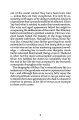
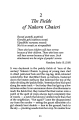
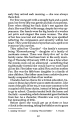
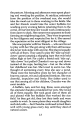
she would summon all the staff in the kitchen to bear witness, telling them to be more cautious and prevent such damage in the future. Metal objects should not be allowed to scuff the cabinet’s work surface — they should be lifted rather than slid. A protective piece of cloth should be laid beneath a chopping board before use. Food should be prepared elsewhere — not on top of the cabinets.
Khun Yay was like a living example of how to use and care for temple property. She always said:
"Spending your money wastefully, you become a slave to the money. Using electricity wastefully, you become slave to the electricity. Using water wastefully, you become slave to the water."
Khun Yay overlooked nothing. She tried her best to safeguard all the temple’s property in keeping with the Buddha’s teaching for ensuring the continued prosperity of any clan that one should: look for lost possessions, mend broken possessions, know moderation in expenditure and not put unscrupulous people in charge of resources.
Khun Yay maintained mindfulness and caution when using the resources, no matter what they were. In addition to demonstrating know-how, she continued teaching the others around her without weariness.
When monks finished their meals, it was considered auspicious for the laypeople to finish the remainder themselves. The monks’ utensils were cleaned and dried separately from those of the laypeople. To dry utensils, they were placed in an orderly fashion on draining boards made of stainless steel. Everything
หน้าหนังสือทั้งหมด
1
2
3

4
5
6
7
8
9
10
11
12
13
14
15
16
17
18

19
20
21
22
23
24
25
26
27
28

29
30
31
32
33
34

35
36
37
38
39
40
41
42
43
44
45
46
47
48
49
50
51
52
53
54
55
56
57
58
59
60
61
62
63
64
65
66
67
68
69
70
71
72
73
74
75
76
77
78

79
80
81
82
83
84
85
86
87
88
89
90
91
92
93
94
95
96
97
98
99
100
101
102
103
104
105
106
107
108
109
110
111
112
113
114
115
116
117
118
119
120
121
122
123
124
125
126
127
128
129
130
131
132
133
134
135
136
137
138
139
140
141
142
143
144
145
146
147
148
149
150
151
152
153
154
155
156
157
158
159
160
161
162
163
164
165
166
167
168
169
170
171
172
173
174
175
176
177
178
179
180
181
182
183
184
185
186
187
188
189
190
191
192

193
194
หนังสือที่เกี่ยวข้อง
Load More