

The Great Adventure : หน้า 63/194
Second to None : หน้า 63/194 An exhilarating journey through uncharted territories, filled with excitement and discovery.
0 ครั้ง
สรุปเนื้อหา
This book takes readers on a thrilling adventure across various landscapes, detailing the experiences of the explorers as they encounter different cultures and challenges. With each chapter, the narrative unfolds with captivating tales of resilience and courage. The explorers not only seek to discover new lands but also learn valuable lessons about humanity and nature. The book emphasizes the importance of adventure in personal growth and the joy of exploration. Throughout their journey, they face numerous obstacles, fostering a deeper understanding of themselves and the world around them. The book is a celebration of curiosity and the spirit of adventure. More information can be found at dmc.tv.
หัวข้อประเด็น
-Exploration of new lands
-The challenges faced by explorers
-The significance of cultural encounters
-The personal growth through adventure
-The joy of discovery
ข้อความต้นฉบับในหน้า
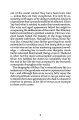
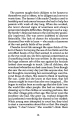
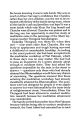
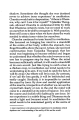
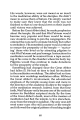
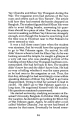
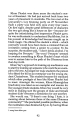
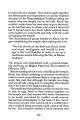
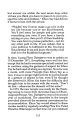
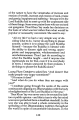
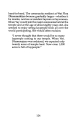
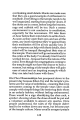
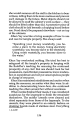
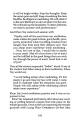
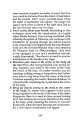
be present. His disciples pleaded for him to stay on
longer, but he said that he must surely die. Everyone
present immediately knew how concerned the Great
Abbot was for the welfare of the tradition to have
publicly appealed to his disciples to take responsibil-
ity for the work — especially for perpetuating and
spreading the Dhammakāya tradition.
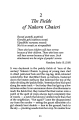
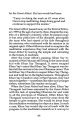
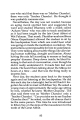
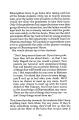
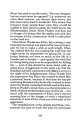
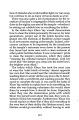
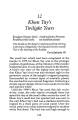
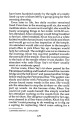
The Great Abbot instructed Khun Yay to stay and
teach the knowledge of Dhammakāya at Wat Paknam
while waiting for a successor to arrive. He ordered:
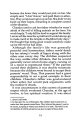
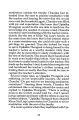
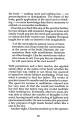
“(Daughter) Chandra! Don’t be in a hurry to
die! Don’t give up the teaching life for the seclu-
sion of the forests! After my passing the others
will have to rely on you to teach the knowledge
of Dhammakāya and keep them on the straight
and narrow path. If you don’t teach them, they
will fall victim to the work of the Māra.”
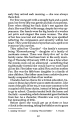
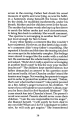
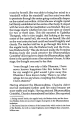
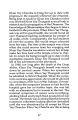
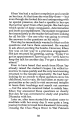
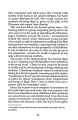
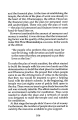
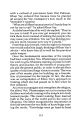
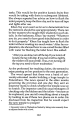
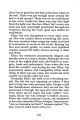
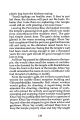
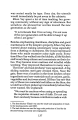
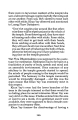
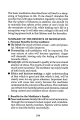
By 1957 the Great Abbot’s condition had worsened.
He knew he would not live much longer. Even when
the Great Abbot was severely ill, his mind was still
engrossed with Dhamma and meditation research.
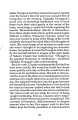
Every evening he would call the monks to meditate
near him for one or two hours. Khun Yay was, as
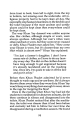
a nun, not permitted to care for him when he was
bedridden. All she could do was note his symptoms
from a distance. At night he required everyone to
meditate. He never rested from teaching meditation
until the last day of his life. Before passing away, he
chided his disciples saying,
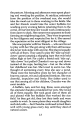
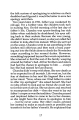
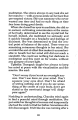
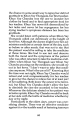
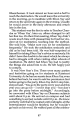
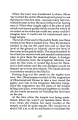
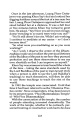
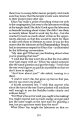
“Our reach is too short. We cannot beat Māra
this lifetime. We are still in their clutches.”
หน้าหนังสือทั้งหมด
1
2
3

4
5
6
7
8
9
10
11
12
13
14
15
16
17
18

19
20
21
22
23
24
25
26
27
28

29
30
31
32
33
34

35
36
37
38
39
40
41
42
43
44
45
46
47
48
49
50
51
52
53
54
55
56
57
58
59
60
61
62
63
64
65
66
67
68
69
70
71
72
73
74
75
76
77
78

79
80
81
82
83
84
85
86
87
88
89
90
91
92
93
94
95
96
97
98
99
100
101
102
103
104
105
106
107
108
109
110
111
112
113
114
115
116
117
118
119
120
121
122
123
124
125
126
127
128
129
130
131
132
133
134
135
136
137
138
139
140
141
142
143
144
145
146
147
148
149
150
151
152
153
154
155
156
157
158
159
160
161
162
163
164
165
166
167
168
169
170
171
172
173
174
175
176
177
178
179
180
181
182
183
184
185
186
187
188
189
190
191
192

193
194
หนังสือที่เกี่ยวข้อง
Load More