

Understanding Resentment and Suffering in Buddhism : หน้า 74/263
The Buddha’s First Teaching : หน้า 74/263 Explore the Buddha's teachings on resentment, sorrow, lamentation, and bemoaning, and how these emotions lead to prolonged suffering.
0 ครั้ง
สรุปเนื้อหา
This text delves into the characteristics of resentment as a source of misery and describes the Buddha's teachings on different forms of suffering. It explains how sorrow is a mental state, lamentation manifests outwardly, and bemoaning lingers in the heart even after tears have dried. The comparison of human emotions to a pot of boiling oil illustrates how these feelings can be contained or overflow into the world. Furthermore, the text discusses exposure to aversive sensations and the grief that arises from them. Such insights aim to help individuals understand and overcome their afflictions, leading to a more peaceful and enlightened state of mind. For more teachings, visit dmc.tv.
หัวข้อประเด็น
-Resentment and its effects
-Forms of suffering in Buddhism
-Buddhist concepts of sorrow, lamentation, and bemoaning
-Impact of aversion on mental clarity
-Path to overcoming grief
ข้อความต้นฉบับในหน้า
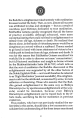
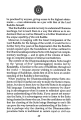
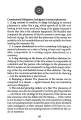
about a certain thing. These are all the characteristics of resentment which will bring us misery for as long as we still harbour it in our hearts.
9. Bemoaning [upāyassa sukkha]
The Buddha characterized this form of suffering as the sort of grief that comes from loss of a loved relative, loss of honour or influence.
Commentarians have made it easier for students of Dhamma to distinguish between Sorrow, Lamentation and Bemoaning by the following metaphor: If you imagine a person tending a pan of boiling oil which stands on a stove:
Sorrow is like the action of the man who constantly agitates and stirs the oil to keep it boiling. The boiling oil stays in the pan. (Sorrow arises from within the mind and the suffering it causes is contained by the mind).
Lamentation is like the action of the man who constantly turns up the heat or fans the flames so that the oil boils over and splashes outside the pan. (Lamentation cannot be contained within the mind but manifests tears for the rest of the world to see.)
Bemoaning is like the residue of oil left in the pan when the sorrow and lamentation is finished. (Bemoaning lingers on even after the tears are dry, as grief continues to be harboured in the mind)
10. Exposure to hateful things [apiyehi sampayoga sukkha]
The Buddha characterized this form of suffering as the sort of cloudedness of mind, grief and melancholy which result from coming into contact with those things to which we are averse. The things which make us feel averse may come via our five senses — we feel aversion and would like to re-
หน้าหนังสือทั้งหมด
1
2
3
4
5
6
7
8
9
10
11
12
13
14
15
16
17
18
19
20
21
22
23
24
25
26
27
28
29

30
31
32
33
34
35
36
37
38
39
40
41
42
43
44
45
46
47
48
49
50
51
52
53
54
55
56
57
58
59
60
61
62
63
64
65
66
67
68
69
70
71
72
73
74
75
76
77
78
79
80
81
82
83
84
85
86
87
88
89
90
91
92
93
94
95
96
97
98
99
100
101
102
103
104
105
106
107
108
109
110
111
112
113
114
115
116
117
118
119
120
121
122
123
124
125
126
127
128
129
130
131
132
133
134
135
136
137
138
139
140
141
142
143
144
145
146
147

148
149
150
151
152
153
154
155
156
157
158
159
160
161
162
163
164
165
166
167
168
169
170
171
172
173
174
175
176
177
178
179
180
181
182
183
184
185
186
187
188
189
190
191
192
193
194
195
196
197
198
199
200
201
202
203
204
205
206
207
208
209
210
211
212
213
214
215
216
217
218
219
220
221
222
223
224
225
226
227
228
229
230
231
232
233
234
235
236
237
238
239
240
241
242
243
244
245
246
247
248
249
250
251
252
253
254
255
256
257
258
259
260

261

262
263
หนังสือที่เกี่ยวข้อง
Load More