

Understanding Suffering in Buddhism : หน้า 61/263
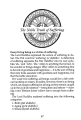
The Buddha’s First Teaching : หน้า 61/263 Explore the various forms of suffering as taught by the Buddha, including birth, death, and emotional pain.
0 ครั้ง
สรุปเนื้อหา
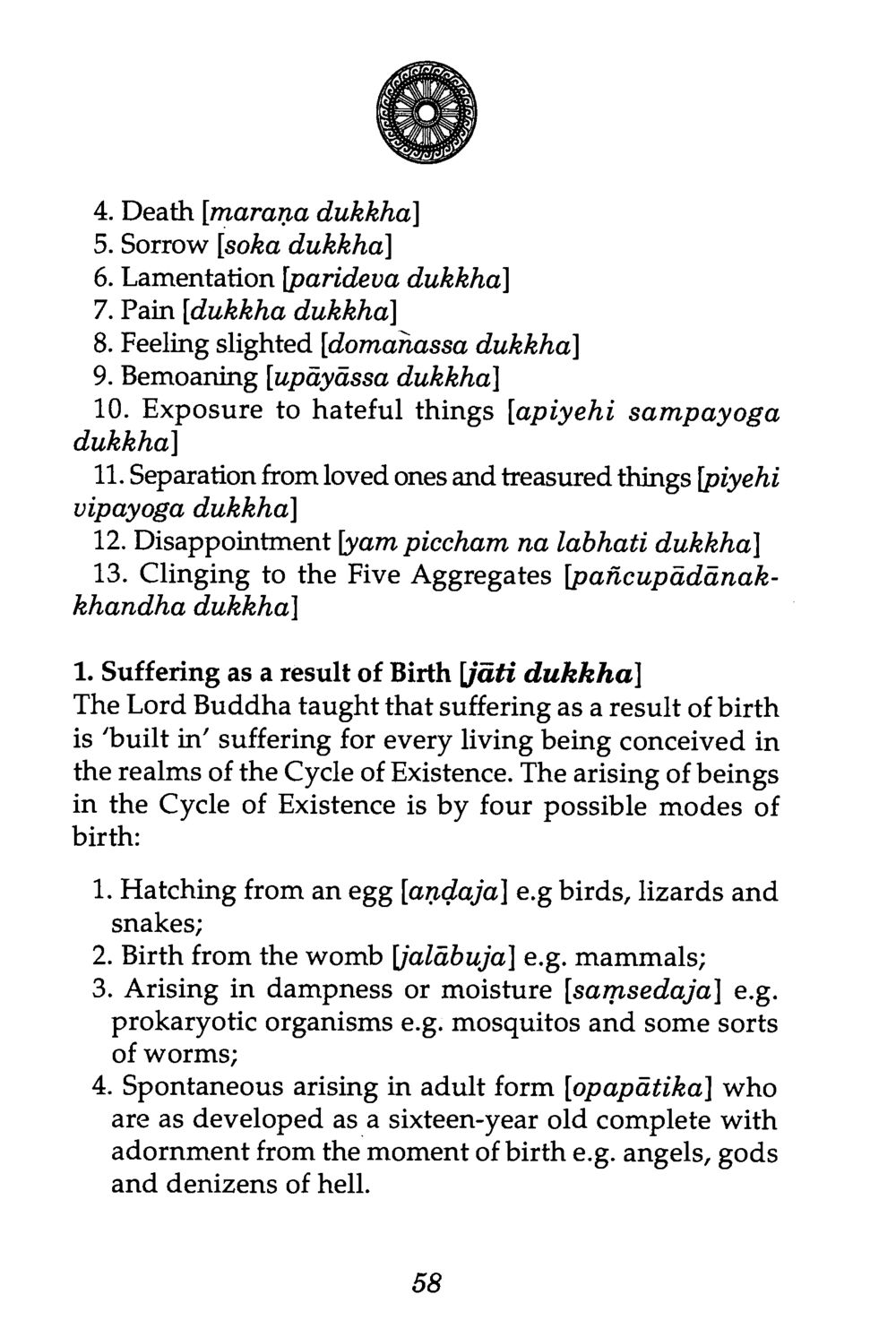
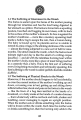
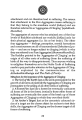
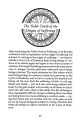
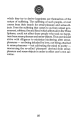
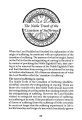
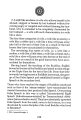
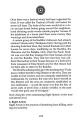
บทเรียนของพระพุทธเจ้ามุ่งเน้นไปที่การเข้าใจทุกข์และธรรมชาติของมัน เช่น ความทุกข์จากการเกิด, ความตาย, และอารมณ์ต่างๆ เช่น ความโศกเศร้า การพลัดพราก และความผิดหวัง ความทุกข์เกิดจากการคลั่งไคล้ในaggregates ห้าอย่างและมีหลายรูปแบบ อาทิเช่น ความเชื่อมโยงกับสิ่งที่เกลียดชังและความทุกข์จากการต้องแยกจากสิ่งที่รัก โดยทั้งหมดนี้มีส่วนเกี่ยวข้องกับวัฏจักรแห่งการดำรงอยู่และวิธีการเกิดที่แตกต่างกัน เช่น การเกิดจากไข่และการเกิดจากท้องแม่ ซึ่งล้วนเป็นส่วนหนึ่งของการดำรงอยู่ในรูปแบบที่ต่างกัน เช่น ผู้ที่เกิดขึ้นจากสร้างการเป็นผู้ใหญ่ทันที เป็นต้น
หัวข้อประเด็น
-ความทุกข์ทางอารมณ์
-การเกิดและการตาย
-ความเชื่อมโยงกับสรรพสิ่ง
-แนวคิดของสรรพสิ่งห้าประการ
-พุทธศาสนาและการเรียนรู้ทุกข์
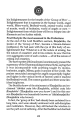
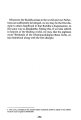
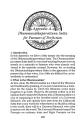
ข้อความต้นฉบับในหน้า
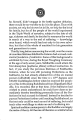
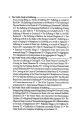
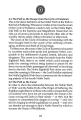
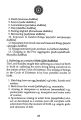
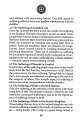
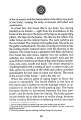
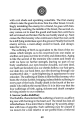
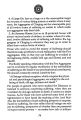
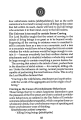
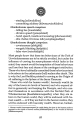
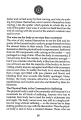
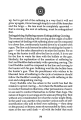
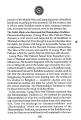
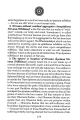
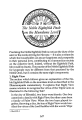
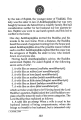
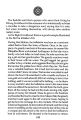
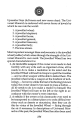
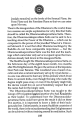
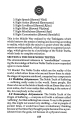
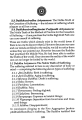
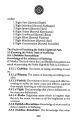
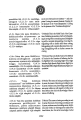
4. Death [marana dukkhā]
5. Sorrow [soka dukkhā]
6. Lamentation [parideva dukkhā]
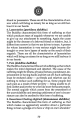
7. Pain [dukkha dukkhā]
8. Feeling slighted [domañassa dukkhā]
9. Bemoaning [upāyassa dukkhā]
10. Exposure to hateful things [apiyehi sampayoga dukkhā]
11. Separation from loved ones and treasured things [piyehi vipayoga dukkhā]
12. Disappointment [yam piccham na labhati dukkhā]
13. Clinging to the Five Aggregates [pañcupādānakkhanda dukkhā]
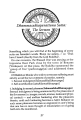
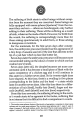
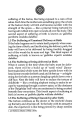
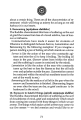
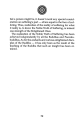
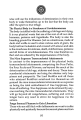
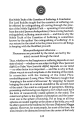
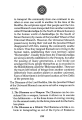
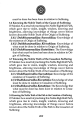
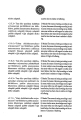
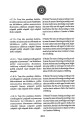
1. Suffering as a result of Birth [jāti dukkhā]
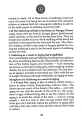
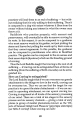
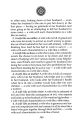
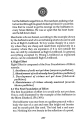
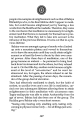
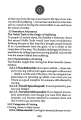
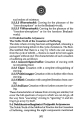
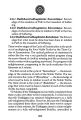
The Lord Buddha taught that suffering as a result of birth is ‘built in’ suffering for every living being conceived in the realms of the Cycle of Existence. The arising of beings in the Cycle of Existence is by four possible modes of birth:
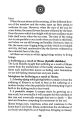
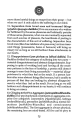
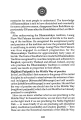
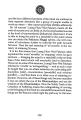
1. Hatching from an egg [andaja] e.g birds, lizards and snakes;
2. Birth from the womb [jalābuja] e.g. mammals;
3. Arising in dampness or moisture [saṃsedaja] e.g. prokaryotic organisms e.g. mosquitos and some sorts of worms;
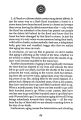
4. Spontaneous arising in adult form [opāṭika] who are as developed as a sixteen-year old complete with adornment from the moment of birth e.g. angels, gods and denizens of hell.
Tags : #ทุกข์ #พระพุทธ #ความเจ็บปวด #การเกิด #การตาย
หน้าหนังสือทั้งหมด
1
2
3
4
5
6
7
8
9
10
11
12
13
14
15
16
17
18
19
20
21
22
23
24
25
26
27
28
29
30
31
32
33
34
35
36
37
38
39
40
41
42
43
44
45
46
47
48
49
50
51
52
53
54
55
56
57
58
59
60
61
62
63
64
65
66
67
68
69
70
71
72
73
74
75
76
77
78
79
80
81
82
83
84
85
86
87
88
89
90
91
92
93
94
95
96
97
98
99
100
101
102
103
104
105
106
107
108
109
110
111
112
113
114
115
116
117
118
119
120
121
122
123
124
125
126
127
128
129
130
131
132
133
134
135
136
137
138
139
140
141
142
143
144
145
146
147
148
149
150
151
152
153
154
155
156
157
158
159
160
161
162
163
164
165
166
167
168
169
170
171
172
173
174
175
176
177
178
179
180
181
182
183
184
185
186
187
188
189
190
191
192
193
194
195
196
197
198
199
200
201
202
203
204
205
206
207
208
209
210
211
212
213
214
215
216
217
218
219
220
221
222
223
224
225
226
227
228
229
230
231
232
233
234
235
236
237
238
239
240
241
242
243
244
245
246
247
248
249
250
251
252
253
254
255
256
257
258
259
260
261
262
263
หนังสือที่เกี่ยวข้อง
Load More