

Meditation and Mindfulness: Cultivating Inner Awareness : หน้า 126/263
The Buddha’s First Teaching : หน้า 126/263 Explore the process of meditation and mindfulness, focusing on the awareness of feelings and the mind's state in order to reduce defilements.
3 ครั้ง
สรุปเนื้อหา
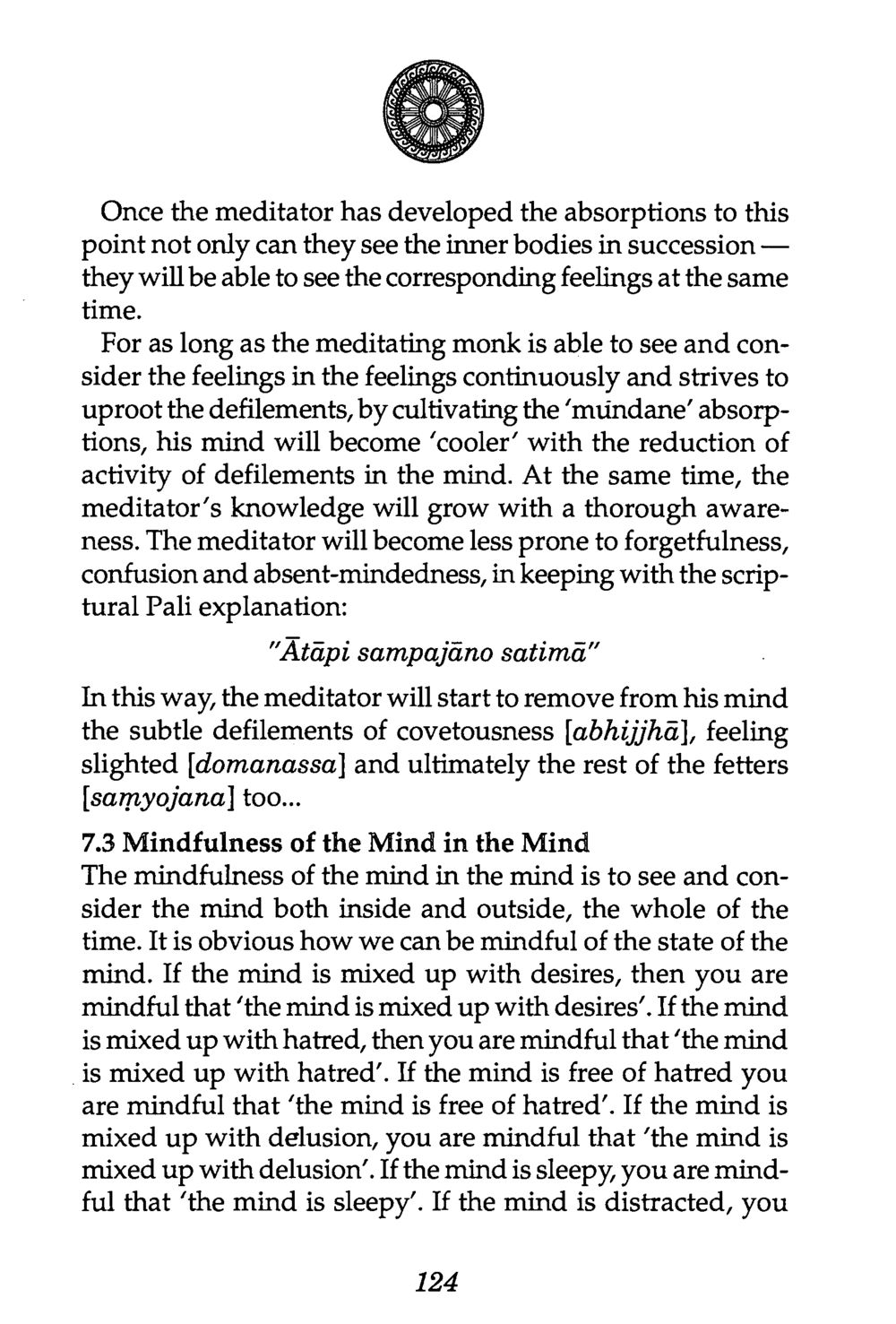
เมื่อผู้ปฏิบัติธรรมพัฒนาการเข้าถึงระดับที่ลึกซึ้ง ไม่เพียงแต่จะมองเห็นกายภายในที่เกิดขึ้นตามลำดับ แต่ยังสามารถเห็นความรู้สึกที่เกิดขึ้นพร้อมกันได้อีกด้วย พวกเขาจะเห็นและพิจารณาความรู้สึกอย่างต่อเนื่อง และพยายามที่จะกำจัดอุปกิเลส โดยการฝึกสมาธิ เราจะได้เห็นการลดการทำงานของอุปกิเลสในใจ ซึ่งนำไปสู่ความชัดเจนมากยิ่งขึ้น ทำให้ผู้ปฏิบัติธรรมมีความรู้สึกทั่วไปที่ดีขึ้น การเป็นผู้มีสติ ซึ่งความเป็นสติเหล่านี้จะช่วยให้พวกเขาสามารถมองเห็นสภาวะจิตของตนเองได้อย่างชัดเจนยิ่งขึ้น รวมถึงสภาวะเช่น ความรัก ความเกลียดและความหลงตามที่อธิบายไว้ในพระไตรปิฎก
หัวข้อประเด็น
-Meditation Practices
-Mindfulness Techniques
-Uprooting Defilements
-Understanding Inner Feelings
-States of the Mind
ข้อความต้นฉบับในหน้า
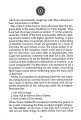
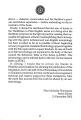
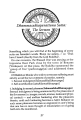
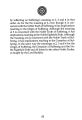
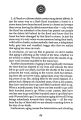
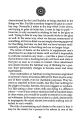
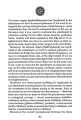
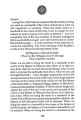
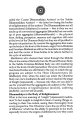
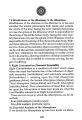
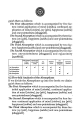
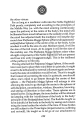
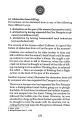
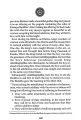
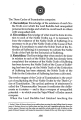
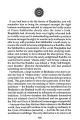
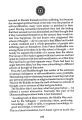
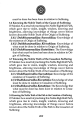
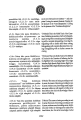
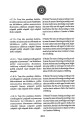
Once the meditator has developed the absorptions to this point not only can they see the inner bodies in succession — they will be able to see the corresponding feelings at the same time.
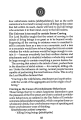
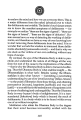
For as long as the meditating monk is able to see and consider the feelings in the feelings continuously and strives to uproot the defilements, by cultivating the ‘mundane’ absorptions, his mind will become ‘cooler’ with the reduction of activity of defilements in the mind. At the same time, the meditator’s knowledge will grow with a thorough awareness. The meditator will become less prone to forgetfulness, confusion and absent-mindedness, in keeping with the scriptural Pali explanation:
”Ātapi sampajano satimā”
In this way, the meditator will start to remove from his mind the subtle defilements of covetousness [abhijjhā], feeling slighted [domanassa] and ultimately the rest of the fetters [samyojana] too...
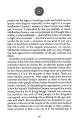
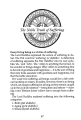
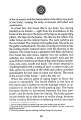
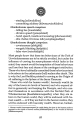
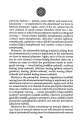
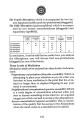
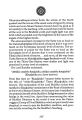
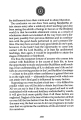
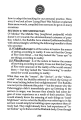
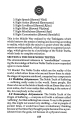
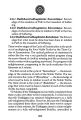
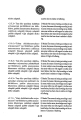
7.3 Mindfulness of the Mind in the Mind
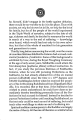
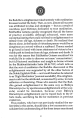
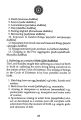
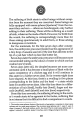
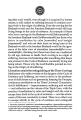
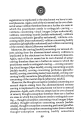
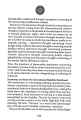
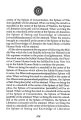
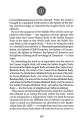
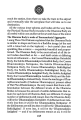
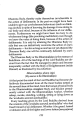
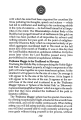
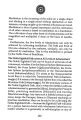
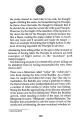
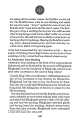
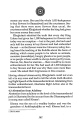
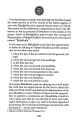
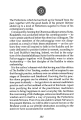
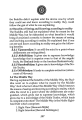
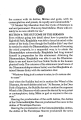
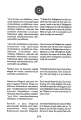
The mindfulness of the mind in the mind is to see and consider the mind both inside and outside, the whole of the time. It is obvious how we can be mindful of the state of the mind. If the mind is mixed up with desires, then you are mindful that ‘the mind is mixed up with desires’. If the mind is mixed up with hatred, then you are mindful that ‘the mind is mixed up with hatred’. If the mind is free of hatred you are mindful that ‘the mind is free of hatred’. If the mind is mixed up with delusion, you are mindful that ‘the mind is mixed up with delusion’. If the mind is sleepy, you are mindful that ‘the mind is sleepy’. If the mind is distracted, you
หน้าหนังสือทั้งหมด
1

2
3
4
5
6
7
8
9
10
11
12
13
14
15
16
17
18

19
20
21
22
23
24
25
26
27
28
29

30
31
32
33
34
35
36
37
38
39
40
41
42
43
44
45
46
47
48
49
50
51
52
53
54
55
56
57
58
59
60
61
62
63
64
65
66
67
68
69
70
71
72
73
74
75
76
77
78
79
80
81
82
83
84
85
86
87
88
89
90
91
92
93
94
95
96
97
98
99
100
101
102
103
104
105
106
107
108
109
110
111
112
113
114
115
116
117
118
119
120
121
122
123
124
125
126
127
128
129
130
131
132
133
134
135
136
137
138
139
140
141
142
143
144
145
146
147

148
149
150
151
152
153
154
155
156
157
158
159
160
161
162
163
164
165
166
167
168
169
170
171
172
173
174
175
176
177
178
179
180
181
182
183
184
185
186
187
188
189
190
191
192
193
194
195
196
197
198
199
200
201
202
203
204
205
206
207
208
209
210
211
212
213
214
215
216
217
218
219
220
221
222
223
224
225
226
227
228
229
230
231
232
233
234
235
236
237
238
239
240
241
242
243
244
245
246
247
248
249
250
251
252
253
254
255
256
257
258
259
260
261
262
263
หนังสือที่เกี่ยวข้อง
Load More